
4×4 vs 2WD: Which Vehicle is Ideal for Driving in the Australian Outback?

The Australian Outback is a vast and awe-inspiring landscape known for its rugged terrain, extreme weather conditions, and unique wildlife. Driving in this remote and challenging environment requires careful consideration of the vehicle choice to ensure both safety and efficiency. In this article, we will explore the advantages and disadvantages of 4×4 vehicles and 2WD vehicles for navigating the Australian Outback. By evaluating factors such as off-road performance, safety considerations, fuel efficiency, and practicality, we aim to provide readers with valuable insights to help make an informed decision when it comes to selecting the ideal vehicle for driving in the Australian Outback.



1. Introduction: Understanding the Terrain and Challenges of the Australian Outback


1.1 The vastness and uniqueness of the Australian Outback

Ah, the Australian Outback. A land as vast as your never-ending to-do list and as unique as that one-of-a-kind souvenir you bought on your last vacation. It stretches for miles and miles, captivating adventurers with its rugged beauty and untamed wilderness.

1.2 The rugged terrain and potential obstacles

But don’t be fooled by its breathtaking landscapes. The Outback is not for the faint of heart. Its terrain is as unpredictable as the weather forecast, with rocky outcrops, sandy deserts, and treacherous waterways that can throw even the most seasoned driver off course.

1.3 Importance of vehicle choice for Outback driving

Given the challenges that the Australian Outback presents, choosing the right vehicle for your adventure becomes a crucial decision. It’s like picking the perfect outfit for a first date – you want something that makes you look good and gets the job done without any embarrassing mishaps. So, let’s dive into the comparison between 4×4 and 2WD vehicles and see which one comes out on top.

2. Exploring the Benefits of 4×4 Vehicles in the Outback


2.1 Increased traction and off-road capabilities

When it comes to tackling the wild and unruly Outback, 4×4 vehicles are like the superhero of the road. With power going to all four wheels, these beasts provide better traction, meaning you can conquer steep slopes, sandy surfaces, and muddy tracks with confidence.

2.2 Enhanced stability and control on uneven surfaces

Driving in the Outback can feel a bit like riding a rollercoaster, except without the safety harness. That’s where 4×4 vehicles shine, offering enhanced stability and control on those bumpy, uneven terrains. They handle the dips and bumps like a pro, leaving you feeling less like a shaken cocktail and more like a smooth operator.

2.3 Ability to handle steep inclines and declines

The Outback isn’t afraid to throw some steep hills your way. Fortunately, 4×4 vehicles are built to take on these challenges head-on. With their impressive hill-climbing and descent control features, you can conquer those intimidating slopes without breaking a sweat. It’s like having your own personal cheerleader, cheering you on with every ascent and descent.



3. Evaluating the Advantages of 2WD Vehicles for Outback Driving


3.1 Higher fuel efficiency and lower cost of ownership

If you’re the kind of person who cringes at the thought of spending a small fortune on fuel, then 2WD vehicles might be your saving grace. Thanks to their simpler drivetrain, these vehicles tend to be more fuel-efficient than their 4×4 counterparts. Plus, they often come with a lower price tag, which means more money in your pocket for those Australian souvenir magnets.

3.2 Smooth ride quality on well-maintained roads

Let’s face it – not every Outback adventure involves getting down and dirty in the muddiest of terrains. Sometimes, you just want to take a leisurely drive along a well-maintained road, soaking in the beauty of the surroundings without worrying about every pebble on the path. In these situations, 2WD vehicles tend to offer a smoother, more comfortable ride compared to their 4×4 siblings.

3.3 Maneuverability in urban areas and easier parking

Now, let’s not forget about life beyond the Outback. When you’re back in civilization, navigating urban areas can be a challenge of its own. In this regard, 2WD vehicles have the upper hand, with their lighter weight and more compact size making them easier to maneuver through the concrete jungles. Plus, finding a parking spot becomes a breeze with a 2WD vehicle, saving you from the frustration of circling the block for what feels like an eternity.

4. Comparing Off-Road Performance: 4×4 vs 2WD


4.1 Tackling sandy and loose surfaces

When it comes to sandy and loose surfaces, 4×4 vehicles have the advantage. With power distributed to all four wheels, they dig in and power through the sand like a digger at a construction site. 2WD vehicles, on the other hand, might find themselves stuck faster than a kangaroo mid-hop. So, if you’re planning on some serious dune bashing, a 4×4 is the way to go.

4.2 Navigating through rocky terrains

Rocky terrains can be a real headache for any vehicle, but 4x4s are equipped to handle these challenges. With their higher ground clearance and rugged suspension, they can crawl over rocks like a spider on a web. 2WD vehicles, however, might find themselves scraping their undercarriage and inching along at a snail’s pace. So, if you’re planning on taking the road less traveled, a 4×4 will be your trusty companion.

4.3 Crossing waterways and handling mud

Ah, the great outdoors and its waterways. Crossing these can be a daunting task, especially for those without the right equipment. 4×4 vehicles often come with waterproofing features and higher air intakes to handle the murky challenges of water and mud. While 2WD vehicles might have to sit this one out or risk a not-so-refreshing dip in the river. So, if you’re planning on channeling your inner amphibian, a 4×4 is the answer.

Now that you’re armed with the knowledge of 4×4 and 2WD vehicles, you can make an informed decision about which one suits your Outback adventure best. Remember, whether you choose to conquer the great unknown or stick to the well-paved roads, the most important thing is to enjoy the journey and embrace the spirit of exploration. Happy driving, mate!the outback

5. Safety Considerations: Which Vehicle Offers Better Protection in the Outback?

Let’s face it, safety should always be a top priority when venturing into the wild and rugged Australian Outback. When it comes to protection, 4×4 vehicles have the upper hand over their 2WD counterparts. With enhanced stability and reduced risk of rollovers, 4×4 vehicles provide a safer driving experience in challenging terrains. This is especially important when traversing uneven surfaces and tackling steep slopes, where a 2WD vehicle may struggle to maintain control. Additionally, modern 4×4 vehicles come equipped with advanced safety features, adding an extra layer of protection for you and your passengers. However, it’s crucial to remember that vehicle maintenance plays a significant role in ensuring your safety. Regularly checking and servicing your vehicle can help prevent breakdowns and minimize the risk of accidents.

6. Fuel Efficiency and Cost Factors: Analyzing the Economic Aspects of 4×4 and 2WD Vehicles

If you’re concerned about fuel efficiency and the cost of ownership, the decision between a 4×4 and a 2WD vehicle becomes a crucial one. Generally, 4×4 vehicles tend to consume more fuel compared to their 2WD counterparts. The additional drivetrain components and weight contribute to higher fuel consumption. On top of that, 4×4 vehicles often require specialized maintenance and repairs, which can be pricier than those for 2WD vehicles. However, it’s important to consider the resale value and long-term financial implications. 4×4 vehicles tend to hold their value better in the market, and if you plan on venturing further into the Outback in the future, the capabilities of a 4×4 might outweigh the initial higher costs.

7. Practical Considerations: Accessibility, Maintenance, and Repairs in the Australian Outback

One of the practical aspects to consider when choosing a vehicle for the Australian Outback is accessibility to repair services. In remote areas, it may be challenging to find repair shops that specialize in 4×4 vehicles. On the other hand, 2WD vehicles are more common and easier to repair due to their simpler drivetrain. Additionally, accessibility becomes a significant factor when exploring the Outback. While 4×4 vehicles are designed to tackle rough terrains and provide better off-road capabilities, 2WD vehicles can still access many popular tourist spots and well-maintained gravel roads. Finally, consider maintenance and repairs. 4×4 vehicles often require specialized maintenance, but with proper care and attention, they can provide reliable performance in the Outback.

8. The Fun Factor: Which Vehicle Offers a More Adventurous Experience in the Australian Outback?

Now, let’s talk about the fun factor! If you’re an adventure enthusiast seeking an adrenaline rush, a 4×4 vehicle is your ticket to excitement in the Australian Outback. With their off-roading capabilities, 4×4 vehicles can tackle rugged terrains and conquer challenging obstacles, creating unforgettable memories. On the other hand, a 2WD vehicle can still offer a great experience, allowing you to explore remote locations and enjoy the scenic beauty of the Outback. While it may not have the same thrill as a 4×4, the simplicity and accessibility of a 2WD vehicle bring their own charm. So, whether you’re a thrill-seeker or prefer a more laid-back adventure, the choice between a 4×4 and a 2WD ultimately depends on your preference and the type of experience you’re looking for.

8. Conclusion: Making an Informed Decision for Outback Driving

In conclusion, choosing between a 4×4 and a 2WD vehicle for driving in the Australian Outback depends on various factors, including the terrain, driving preferences, safety considerations, and economic factors. While 4×4 vehicles offer enhanced off-road capabilities and increased stability, 2WD vehicles excel in fuel efficiency and cost-effectiveness. Ultimately, it is crucial to assess individual needs and priorities when deciding on the ideal vehicle for Outback driving. By considering the insights and information provided in this article, you can make a well-informed decision that best suits your requirements and ensures an enjoyable and safe experience exploring the vast beauty of the Australian Outback.

FAQ


1. Is a 4×4 vehicle necessary for driving in the Australian Outback?


While a 4×4 vehicle offers superior off-road capabilities and can handle the rugged terrains of the Outback, it may not be necessary for all areas. Well-maintained roads and popular tourist destinations can often be reached with a 2WD vehicle. However, if you plan to venture into more remote and challenging areas, a 4×4 vehicle is highly recommended for safety and better handling.


2. Are 4×4 vehicles more expensive to maintain and repair?


Generally, 4×4 vehicles are associated with higher maintenance and repair costs compared to 2WD vehicles. The complexity of the drivetrain, additional components, and specialized parts contribute to this. However, regular maintenance, proper servicing, and responsible off-road driving can help minimize repair expenses in the long run.


3. Are there any safety concerns with 2WD vehicles in the Outback?


While 2WD vehicles can be safe for driving in the Outback, there are certain limitations to consider. Their lower ground clearance and traction can make them more susceptible to getting stuck in sandy or muddy terrains. It’s essential to exercise caution, choose well-maintained routes, and plan accordingly when driving a 2WD vehicle in the Outback.


4. Can 4×4 vehicles be driven on regular roads in urban areas?
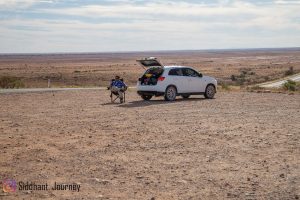
 

Yes, 4×4 vehicles can be driven on regular roads in urban areas just like any other vehicle. However, it’s important to keep in mind that their larger size and weight may require more parking space and maneuvering considerations. Additionally, some 4×4 vehicles may have a larger turning radius, so familiarizing yourself with the vehicle’s dimensions is advisable.

Preparing Your Vehicle for a Trip to the Australian Outback

Venturing into the vast and rugged Australian Outback is a thrilling and awe-inspiring experience like no other. However, this unique and challenging environment demands careful preparation to ensure a safe and enjoyable journey. From understanding the harsh climate to equipping your vehicle with the necessary supplies, there are several crucial steps to take before embarking on an Outback adventure. In this article, we will guide you through the essential considerations and precautions to take, from conducting a thorough vehicle inspection to navigating remote areas and planning your route. By following these guidelines, you can embark on a memorable and trouble-free journey into the heart of the Australian Outback.


Preparing Your Vehicle for a Trip to the Australian Outback


1. Understanding the Unique Challenges of the Australian Outback


1.1 The Harsh Climate and Extreme Temperatures

The Australian Outback is no place for delicate vehicles. With scorching temperatures and a harsh climate, it’s essential to ensure your vehicle is up to the challenge. From engine overheating to tire blowouts, the Outback can put your vehicle through its paces.

1.2 Unpredictable Weather Conditions

Mother Nature likes to keep things interesting in the Outback. From sudden downpours that turn dusty roads into slippery mud traps to intense dust storms that reduce visibility to zero, you never know what weather conditions you’ll encounter. Prepare for anything and everything!

1.3 Remote and Isolated Locations

The Outback is known for its vast stretches of uninhabited land. It’s crucial to understand that help may not be readily available in case of an emergency. If your vehicle breaks down in the middle of nowhere, you might be on your own for quite some time.

2. Conducting a Thorough Vehicle Inspection


2.1 Checking the Engine and Components

Before embarking on an Outback adventure, make sure your engine is in tiptop shape. Ensure all fluids are topped up, filters are clean, and belts are intact. Consider getting a professional inspection to catch any potential issues before they become roadside disasters.

2.2 Assessing the Tires and Suspension

Your tires are your best friends on rugged Outback roads, so treat them right. Check the tread depth, ensure they’re properly inflated, and inspect them for any signs of wear and tear. Also, don’t forget about your suspension – the Outback’s bumps and dips can take a toll on it!

2.3 Inspecting the Brakes and Lights

Properly functioning brakes and lights are essential for your safety in any driving condition, but they become even more critical in remote areas. Make sure your brake pads and discs are in good condition, and test all your lights to ensure they’re bright and visible.

3. Essential Supplies and Equipment for Outback Travel


3.1 Packing Sufficient Food and Water

When venturing into the Outback, think like a Boy or Girl Scout and be prepared. Pack enough food and water to sustain you in case of unexpected delays or getting temporarily lost. Hydration and nutrition are crucial for staying sharp and maintaining your energy levels.

3.2 Carrying Basic Camping and Survival Gear

Even if you don’t plan on camping, having basic camping and survival gear is a wise move. A sturdy tent, sleeping bag, cooking equipment, and a first aid kit can make all the difference in case you find yourself stranded or needing shelter for the night.

3.3 Emergency Communication Devices

In remote areas, cell phone reception can be as scarce as a cool breeze. Don’t rely solely on your smartphone for communication. Invest in a good quality UHF radio or satellite phone to ensure you can call for help if needed. It’s better to be safe than sorry!


4. Navigating Remote Areas and Planning Your Route


4.1 Researching and Mapping Outback Routes

The Outback offers an array of enticing routes, but not all are suitable for every vehicle. Research and choose a route that matches your vehicle type and your driving skills. Consult travel guides, online forums, and local authorities for the latest information and advice.

4.2 Identifying Fuel and Water Stops

Fuel and water are your lifelines in the Outback, so plan your stops accordingly. Mark fuel stations and water sources along your route to ensure you can refuel and stay hydrated. It’s better to have more than enough than risk running out in the middle of nowhere!

4.3 Preparing for Off-Roading Challenges

Off-roading is inevitable in the Outback, so make sure your vehicle is equipped for it. Consider upgrading your suspension, fitting protective underbody plates, and investing in quality off-road tires. And remember, it’s not a race – take it slow and steady to avoid unnecessary mishaps.

Now that you’re armed with the knowledge to prepare your vehicle for an unforgettable Outback adventure, go forth and conquer the vast Australian wilderness. Just remember to pack your sense of humor because you never know what the Outback might throw at you – both literally and figuratively!

5. Safety Precautions and Emergency Preparedness

Traveling to the Australian Outback can be an exciting adventure, but it’s important to prioritize safety. Here are some key safety precautions and emergency preparedness tips to keep in mind:

5.1 First Aid Kits and Medications

Pack a well-stocked first aid kit that includes essential items such as bandages, antiseptic ointment, pain relievers, and any necessary prescription medications. It’s also a good idea to familiarize yourself with basic first aid procedures in case of emergencies.

5.2 Carrying Spare Parts and Tools

The Outback is known for its rugged terrain, so it’s wise to carry spare parts and tools for your vehicle. Items like spare tires, tire repair kits, extra fluids, and basic tools can help you deal with any unexpected breakdowns or repairs.

5.3 Understanding Wildlife Hazards

The Outback is home to a diverse range of wildlife, some of which can pose risks to travelers. Be aware of potential hazards, such as snakes, spiders, and dingoes, and educate yourself on how to handle encounters with these creatures safely. Additionally, take precautions to avoid attracting wildlife to your campsite, such as keeping food securely stored.

6. Communication and Connectivity in the Outback

Staying connected in the vast and remote Outback can be a challenge, but it’s crucial for safety and navigation purposes. Here’s what you need to know:

6.1 Choosing the Right Communication Equipment

Invest in reliable communication equipment, such as a two-way radio or satellite phone, to ensure you have a means of getting help in case of emergencies. Research and choose equipment that is suitable for the remote areas you plan to visit.

6.2 Understanding Satellite Phone Coverage

Keep in mind that mobile phone coverage is limited in the Outback. It’s worth investing in a satellite phone, as it provides a more reliable means of communication when traveling in remote areas where there is no mobile network coverage.

6.3 Staying Connected with GPS and Maps

Carry a GPS device and detailed maps of the area to help with navigation. However, it’s important to remember that technology can fail or lose signal, so always have backup map and compass navigation skills.

7. Environmental Considerations and Responsible Travel

Traveling responsibly in the Outback is essential for preserving its unique environment. Here are some considerations to keep in mind:

7.1 Leave No Trace Principles

Adhere to the principles of Leave No Trace, which means leaving the environment as you found it. Minimize your impact by disposing of waste properly, keeping noise levels down, and respecting wildlife and vegetation.

7.2 Protecting Wildlife and Flora

The Outback is home to many unique and fragile species. Avoid disturbing wildlife or damaging flora by keeping a safe distance and staying on designated tracks and trails. Be particularly cautious when driving at night to avoid collisions with animals.

7.3 Minimizing Your Environmental Footprint

Reduce your environmental footprint by conserving water, using fuel efficiently, and practicing responsible camping. Use designated campsites whenever possible, and avoid creating new fire rings or disturbing natural surroundings.

8. Tips for a Memorable and Enjoyable Outback Adventure

While safety and environmental considerations are important, don’t forget to enjoy your Outback adventure to the fullest. Here are some tips for an unforgettable experience:

8.1 Embracing the Outback’s Unique Beauty

Take the time to soak in the awe-inspiring landscapes and spectacular sunsets the Outback offers. Whether it’s the vast red deserts or stunning rock formations, appreciate the natural beauty that sets this region apart.

8.2 Engaging with Indigenous Culture

The Outback is rich in Indigenous history and culture. Seek opportunities to learn and engage with Indigenous communities, respecting their traditions and customs. Consider joining guided tours or cultural experiences to gain a deeper understanding of this ancient land.

Remember, an Outback adventure requires careful planning, safety precautions, and responsible behavior. By being prepared and respectful, you can have an enjoyable and memorable experience exploring the wonders of the Australian Outback.In conclusion, preparing your vehicle for a trip to the Australian Outback is an essential step in ensuring a successful and enjoyable adventure. By understanding the unique challenges of the Outback, conducting a thorough vehicle inspection, and equipping yourself with the necessary supplies and equipment, you can navigate this remote and awe-inspiring landscape with confidence. Remember to prioritize safety, practice responsible travel, and embrace the beauty and wonder of the Outback. With proper preparation and a sense of adventure, your trip to the Australian Outback is sure to be an unforgettable experience.

FAQ


1. Is it safe to travel to the Australian Outback?

Traveling to the Australian Outback can be safe if you take necessary precautions. It is crucial to prepare your vehicle, pack sufficient supplies, and understand the challenges of the environment. Additionally, following safety guidelines, such as informing others about your itinerary and carrying emergency communication devices, can greatly enhance your safety during the trip.

2. What should I do if my vehicle breaks down in the Outback?

In the event of a vehicle breakdown in the Outback, it is important to stay calm and follow a few key steps. First, ensure your safety by pulling off the road and activating hazard lights. Assess the issue and attempt any basic repairs if you have the knowledge and tools. If unable to fix the problem, use your emergency communication devices to call for assistance. It is also advisable to have a comprehensive roadside assistance plan in place before embarking on your journey.

3. How do I navigate in remote areas without GPS or cellular signal?

Navigating in remote areas of the Outback without GPS or cellular signal requires some pre-planning. Research and obtain detailed maps and guidebooks specific to the region you will be traveling in. Familiarize yourself with landmarks, road signs, and any available offline navigation apps or devices. It is also recommended to have a compass and the ability to navigate using traditional methods, such as using the sun or stars if necessary.

Knowing When Its Time To Rest During Long Drives….

Driving is a common part of our daily lives, but it can also become a dangerous activity when we neglect to recognize the signs of driver fatigue. Fatigue impairs our ability to focus, slows down our reaction time, and increases the risk of accidents on the road. It is essential to be aware of the physical and mental signs of driver fatigue, as well as the environmental factors that contribute to it. By understanding these signs and taking preventive measures, we can ensure our safety and that of others on the road. This article explores the significance of recognizing driver fatigue and provides valuable insights into when it’s time to rest.

  1. Introduction to driver fatigue

Picture this: you’re cruising down the highway, windows down, radio playing your favorite tunes. But suddenly, you find yourself struggling to keep your eyes open, fighting off relentless yawns and battling heavy eyelids. If this scenario sounds familiar, you may be experiencing driver fatigue. Driving while tired can have serious consequences, so it’s crucial to recognize the signs that indicate it’s time to rest.

  1. The dangers of driving while fatigued


2.1 Increased risk of accidents

Driving while fatigued is like trying to navigate a maze blindfolded – it’s a recipe for disaster. Studies have shown that fatigue impairs driving skills in a similar way to alcohol. Exhausted drivers have slower reaction times, reduced coordination, and decreased vigilance, all of which can contribute to an increased risk of accidents on the road.

2.2 Impaired reaction time and decision-making

When you’re tired, even the simplest of tasks can become daunting. Fatigue affects your ability to react quickly and make crucial decisions while driving. Your brain becomes sluggish, and your cognitive processing slows down, making it harder to judge distances, assess potential hazards, and react promptly to changes in traffic conditions.

  1. Physical signs of driver fatigue


3.1 Frequent yawning and heavy eyelids

Yawning is nature’s way of telling us we need some shut-eye, and it’s no different when driving. If you find yourself yawning more frequently than usual or struggling to keep your eyes open, it’s a clear sign that fatigue has set in. Heavy eyelids that seem to weigh a ton are another red flag that it’s time to pull over and rest.

3.2 Nodding off or drifting between lanes

One moment you’re keeping a steady course, and the next, you find yourself veering into the next lane or briefly nodding off. These are alarming signs of driver fatigue that should never be ignored. If you’re struggling to stay in your lane or experiencing momentary lapses in awareness, it’s time to find a safe spot to park and recharge.

3.3 Muscle stiffness and aching

Long drives can turn even the comfiest car seat into a torture device. If you notice your muscles becoming increasingly stiff and achy, it’s a sign that fatigue has taken a toll on your body. Physical discomfort can greatly impair your ability to concentrate on the road and react swiftly to potential dangers.

  1. Mental signs of driver fatigue


4.1 Difficulty focusing and maintaining attention

When fatigue sets in, you might find it challenging to maintain laser-like focus on the road ahead. Your mind starts to wander, and your attention span takes a nosedive. If you catch yourself daydreaming or struggling to concentrate on driving, it’s a clear indication that rest is desperately needed.

4.2 Impaired judgment and slower cognitive processing

Fatigue can wreak havoc on your decision-making skills, leaving you feeling like a confused squirrel trying to cross a busy intersection. As exhaustion sets in, your judgment becomes impaired, and your ability to weigh risks diminishes. Slower cognitive processing means it takes longer for your brain to assess situations and respond accordingly, making split-second decisions increasingly challenging.

4.3 Increased irritability and mood swings

We’ve all experienced the wrath of sleep deprivation when tiny inconveniences become monumental catastrophes. When fatigue takes hold, irritability and mood swings become your unwelcome road trip companions. If you feel yourself getting easily frustrated by minor inconveniences or notice your emotions fluctuating more than usual, it’s a sign that a break from the driver’s seat is in order.

Remember, driving while fatigued is not worth the risk. Your safety, as well as the safety of others on the road, should always be the top priority. So, the next time you find yourself battling sleep behind the wheel, do yourself a favor and pull over for some much-needed rest.

  1. Environmental factors that contribute to driver fatigue


5.1 Lack of sleep or poor sleep quality

Have you ever tried to drive after a night of tossing and turning? It’s like trying to navigate a racetrack while wearing blindfolds. Lack of sleep or poor sleep quality can seriously affect your ability to stay alert on the road. When you’re not well-rested, your reaction time slows down, your concentration wanes, and your decision-making skills take a nosedive. So, if you’re feeling like a character from The Walking Dead, it’s probably not the best time to hop behind the wheel.

5.2 Long driving hours and monotonous road conditions

Picture this: you’re driving on a never-ending stretch of highway, surrounded by nothing but fields and the occasional cow. Sounds exhilarating, right? Not so much. Long hours of driving combined with monotonous road conditions can make anyone feel like they’re stuck in a perpetual loop of boredom. And when you’re bored, fatigue creeps in like an unwelcome backseat driver. Your eyelids start to droop, your mind starts to wander, and before you know it, you’re battling the urge to take a power nap at 70 miles per hour.

5.3 Use of medications and alcohol

We all know the dangers of drinking and driving, but did you know that certain medications can also make you feel drowsy and less alert? Whether it’s allergy medication, painkillers, or prescribed medications, always check the labels for any warnings about drowsiness. And as for alcohol, well, let’s just say that it’s best to keep the “designated driver” title strictly sober. Mixing alcohol with driving is a recipe for disaster, and it’s a surefire way to wave goodbye to your driving skills.

  1. Strategies for preventing driver fatigue


6.1 Getting enough quality sleep before a trip

Remember when your mom used to nag you for not getting enough sleep? Turns out, she had a point. Getting sufficient quality sleep before hitting the road is crucial for staying alert and focused. So, instead of binge-watching your favorite show until the wee hours of the morning, prioritize your sleep. Your Netflix marathon can wait.

6.2 Taking regular breaks and napping when necessary

If your eyelids feel heavier than a dumbbell, it’s time for a break. Taking regular breaks during long drives can work wonders in combating fatigue. Stretch your legs, grab a snack, or even take a power nap if you need to. A quick 20-minute snooze can do wonders for your brain’s ability to process road signs and avoid drifting into the Twilight Zone.

6.3 Sharing driving responsibilities

Do you have a willing co-pilot or someone who loves the sound of their own voice in the passenger seat? Well, lucky you! Sharing driving responsibilities not only lightens the load but also gives you the opportunity to catch some much-needed shut-eye while your partner takes the wheel. Just make sure you return the favor when it’s their turn to conquer the road.

  1. Importance of taking breaks and resting while driving


7.1 Understanding the benefits of rest stops

Rest stops: the unsung heroes of road trips. These little havens along the highway are designed to save you from the clutches of exhaustion. They provide a chance to stretch, hydrate, and give your mind and body the breather they deserve. So, the next time you pass a rest stop, don’t ignore it like yesterday’s leftovers—embrace it like a long-lost friend.

7.2 Knowing when to pull over and rest

It’s time to play a little game called “Recognize the Signs of Driver Fatigue.” If you’re experiencing heavy eyelids, constant yawning, drifting between lanes, or difficulty focusing, congratulations! You’re the winner! The winner of a much-needed break, that is. Pull over, find a safe spot, and take a nap, have a coffee, or do some jumping jacks if that’s your thing. Whatever it takes to get that pep back in your step.

  1. Conclusion and final thoughts

Driving fatigue is no joke. It can be the difference between a smooth journey and a disastrous one. By being aware of the environmental factors that contribute to driver fatigue and implementing strategies to prevent it, you can ensure a safer and more enjoyable trip. Remember, there’s no shame in taking breaks or admitting when it’s time to rest. So, prioritize your well-being, listen to your body, and drive smart, my friends. Safe travels!

  1. Conclusion and final thoughts


Recognizing the signs of driver fatigue is crucial for maintaining road safety. By understanding the physical and mental indicators of fatigue, as well as the environmental factors that contribute to it, we can take proactive measures to prevent accidents and ensure our well-being. Remember, taking breaks, resting when needed, and sharing driving responsibilities are all essential strategies for combating driver fatigue. Prioritizing rest and practicing responsible driving habits will help us stay alert, focused, and ready to navigate the roads safely. Stay vigilant, listen to your body, and never underestimate the importance of taking a break when it’s time to rest.