Air India won several awards at 2026 Skytrax World Airline Awards 

In a historic moment that signals a new dawn for Indian aviation, Air India dominated the regional categories at the Skytrax World Airline Awards. Often dubbed the “Oscars of the aviation industry,” the Skytrax rankings are derived directly from passenger satisfaction surveys spanning millions of travelers globally.  

Air India’s performance stands as a powerful testament to the multi-billion-dollar transformation program—Vihaan.AI—under the ownership of the Tata Group. The airline swept every major prestige category across India and South Asia while capturing critical accolades for its onboard culinary offerings and regional progress.  


The Big Sweep: 7 Regional Titles 

Air India claimed top honors across every cabin class and service touchpoint:  

  • Best Airline in India & South Asia  
  • Best Airline Staff in India & South Asia  
  • Most Improved Airline in Asia  
  • Best Business Class in India & South Asia 
  • Best Business Class Onboard Catering in India & South Asia 
  • Best Economy Class in India & South Asia  
  • Best Economy Class Onboard Catering in India & South Asia  

Together with its newly achieved Skytrax 4-Star Airline Certification, these wins reflect an unprecedented operational turnaround.  


Premium & Value Leadership: Dual Cabin Victories 

Air India’s performance across both end of the main cabin spectrum underlines the success of its hardware and software upgrades: 

Business Class 

The introduction of flagship Airbus A350 and Boeing 787-9 aircraft equipped with private suites, direct-aisle access, wireless charging, and updated inflight entertainment systems catapulted Air India’s premium product to regional leadership. Paired with curated menus, boutique wines, and fine dining presentation, the carrier secured titles for both Best Business Class and Best Business Class Onboard Catering.  

Economy Class 

Sweeping Best Economy Class and Best Economy Class Onboard Catering demonstrates that the transformation reaches every passenger. Modernized cabins, increased legroom, upgraded seatback screens, and revamped meal menus celebrating global and regional Indian cuisine have dramatically raised the passenger baseline experience.  

The Driver Behind the Growth: Vihaan.AI 

This Skytrax recognition validates the Vihaan.AI strategy. The ongoing five-year transformation rests on four core pillars:  

  1. Fleet Modernization: Over 130 new and retrofitted aircraft delivered, bringing quiet, fuel-efficient Next-Gen cabins into service.  
  1. Product Overhaul: Full cabin retrofits across legacy widebody fleets, complete with new seating and tech suites. 
  1. Culinary Revamp: Partnerships with top chefs to overhaul onboard dining in every cabin class. 
  1. Digital & Service Transformation: Enhanced mobile app experience, modernized lounges, and AI-driven customer care.  

By securing Most Improved Airline in Asia and ranking second globally in the most-improved category, Air India confirms its spot as one of global aviation’s most significant turnaround stories. 


Source: Skytrax 


Role of traveller influencer in influencing your travel


Role of traveller influencer in influencing your travel


The role of travel influencers in influencing travel decisions is increasingly important in modern tourism. Based on recent research and industry analysis, travel influencers affect how people choose destinations, plan trips, and make bookings.

Key Roles of Travel Influencers

  1. Providing Travel Inspiration
    • Influencers share photos, videos, and stories from destinations around the world.
    • Their content inspires people to visit places they may not have previously considered.
  1. Building Trust and Credibility
    • Many travellers view influencers as authentic sources of information because they share personal experiences rather than traditional advertisements.
    • Reviews, recommendations, and travel tips can strongly affect destination choices.
  2. Providing Practical Information
    • Influencers often share itineraries, accommodation suggestions, budgeting advice, and local insights.
    • This information helps travellers make informed decisions.
  3. Shaping Destination Perceptions
    • Through storytelling and visual content, influencers create positive images of destinations.
    • They can highlight culture, attractions, food, and unique experiences that influence tourist perceptions.
  4. Influencing Purchase and Booking Decisions
    • Research shows that people who frequently follow travel influencers are more likely to choose destinations and services based on influencer recommendations.

Travel influencers play a significant role in modern tourism by inspiring travellers, building trust, providing useful information, and influencing destination and booking decisions. Their authentic experiences and engaging content make them powerful contributors to travellers’ decision-making processes.


Overseas Tourist Destination Around Australia


If you’re looking for overseas tourist destinations close to Australia, these are some of the best options depending on your travel style:

Tropical Island Escapes

Fiji (4-5 hour flight from Sydney)

    • White-sand beaches and crystal-clear lagoons
    • Excellent snorkelling and diving
    • Relaxed resort holidays and family-friendly activities

Vanuatu (around 3-4 hours)

    • Beautiful coral reefs, waterfalls and volcanoes
    • Great for adventure and cultural experiences
    • Less crowded than many Pacific destinations

New Caledonia (under 3 hours from Sydney)

    • French-inspired culture in the South Pacific
    • Stunning lagoons and marine life
    • Ideal for couples and beach lovers

Samoa (about 5 hours from Brisbane)

    • Pristine beaches and natural swimming holes
    • Rich Polynesian culture
    • Excellent for a laid-back holiday


New Zealand (3-4 hours)

    • Queenstown for adventure sports
    • Rotorua for geothermal attractions
    • Spectacular mountains, lakes and hiking trails

Asia Destinations

Bali, Indonesia (6 hours)

    • Beaches, temples and luxury resorts
    • Affordable food, accommodation and spas
    • Popular with Australians year-round

Japan (9-10 hours)

    • Tokyo for city life
    • Kyoto for culture and history
    • Niseko for world-class skiing

Thailand (8-9 hours)

    • Phuket and Krabi for beaches
    • Bangkok for food and shopping
    • Great value for money

Philippines (8 hours)

    • Palawan and Boracay for stunning islands
    • Excellent diving and island hopping
    • Friendly locals and affordable travel

Singapore (8 hours)

    • Modern city attractions
    • Gardens by the Bay and Sentosa Island
    • Ideal for a short overseas break

For travellers departing from Sydney, Fiji, New Zealand, Bali, Japan, and Singapore offer the best combination of flight convenience, attractions, and value.

When Is the Best Time to Visit Sydney? My Seasonal Guide to Australia’s Harbour City

Sydney has a way of capturing your heart from the moment you arrive. Between its sparkling harbour, golden beaches, famous landmarks, and laid-back lifestyle, it’s easy to see why millions of travellers put it at the top of their bucket list. The good news? Sydney is a fantastic destination all year round. The challenge is deciding when to go.

After exploring what each season has to offer, I’ve found that the best time to visit really depends on the kind of trip you’re looking for. Whether you’re dreaming of beach days, outdoor adventures, whale watching, or simply avoiding the crowds, here’s what you can expect throughout the year.
Spring (September to November): Sydney at Its Absolute Best.

If I had to recommend just one season for a first-time visit, it would be spring.

The weather is wonderfully comfortable, with temperatures typically ranging between 16°C and 24°C. The city feels fresh and vibrant, and the streets are lined with beautiful flowering trees, including Sydney’s famous purple jacarandas that bloom in late spring.

This is the perfect time to:
• Walk across or admire the Sydney Harbour Bridge
• Take a tour of the Sydney Opera House
• Hike the stunning Bondi to Coogee coastal trail
• Spend an afternoon in the Royal Botanic Garden
• Explore outdoor markets and seasonal events

Another bonus? You get great weather without the peak-season crowds, making popular attractions easier to enjoy.

Summer (December to February): Sun, Surf, and Festival Energy

Summer is when Sydney truly shows off.
The beaches are buzzing, the days are long, and the city is full of energy. Temperatures typically reach between 25°C and 27°C, creating ideal conditions for swimming, surfing, and spending entire days outdoors.
This is also the season of major celebrations. Sydney’s world-famous New Year’s Eve fireworks attract visitors from across the globe, and the city hosts a variety of festivals throughout the summer months.
That said, summer comes with a few trade-offs:
• Accommodation prices are often at their highest
• Tourist attractions can be very busy
• Beaches become crowded
• Humidity and occasional heatwaves can occur
If you’re looking for that classic Australian beach holiday experience, however, summer is hard to beat.

Autumn (March to May): Sydney’s Best-Kept Secret

Many travellers overlook autumn, but it might actually be the smartest time to visit.
Temperatures remain pleasantly warm, generally between 19°C and 25°C, while the humidity begins to ease after summer. Even better, the ocean stays warm enough for swimming well into April.
What I love most about autumn is the balance. You still get excellent weather, but with fewer visitors competing for the best views, attractions, and accommodation deals.
Autumn is perfect for:
• Harbour cruises and sightseeing
• Food and wine experiences
• Day trips to the Blue Mountains
• Photography walks and outdoor adventures
For travellers who value comfort, good weather, and better value for money, autumn is one of Sydney’s strongest seasons.

Winter (June to August): The Underrated Season
If the word “winter” makes you think of freezing temperatures, Sydney will surprise you.
Daytime temperatures average around 17°C, making winter relatively mild by international standards. Snow is virtually unheard of in the city, and many days remain bright and comfortable for sightseeing.
One of winter’s biggest highlights is whale watching. During the annual migration season, humpback whales can often be spotted from coastal lookouts, with June and July offering particularly rewarding viewing opportunities.
Winter is also a great choice if you’re travelling on a budget. You’ll typically find:
• Lower accommodation costs
• Shorter queues at attractions
• A more relaxed atmosphere
• Plenty of cosy cafés and cultural activities
For travellers who prefer quieter destinations, winter can be a surprisingly enjoyable time to experience Sydney.

If you’re wondering when to book your trip, my advice is simple: choose spring for the perfect all-round Sydney experience or autumn for great weather and excellent value. If beaches and major events are your priority, summer is the obvious winner. And if you’d rather avoid crowds while spotting migrating whales, winter might be exactly what you’re looking for.
No matter when you visit, Sydney’s spectacular harbour, beautiful coastline, and relaxed Australian lifestyle ensure it’s a destination that never disappoints.

Australians Do Not Travel Countries

Countries Australians Cannot Freely Visit as Tourists

Australians enjoy one of the world’s strongest passports, with access to most countries either visa-free or with straightforward visa arrangements. However, there are a small number of destinations where travel is either effectively prohibited, heavily restricted, or strongly discouraged by the Australian Government. List of countries with “Do Not Travel” advise as of 09/09/2026


Destination Overall Advice Level Updated
Kuwait Do not travel 8-Sep-26
Palestine Do not travel 2-Sep-26
Iran Do not travel 2-Sep-26
Iraq Do not travel 2-Sep-26
Bahrain Do not travel 2-Sep-26
Lebanon Do not travel 2-Sep-26
Venezuela Do not travel 2-Sep-26
Yemen Do not travel 2-Sep-26
Syria Do not travel 2-Sep-26
Libya Do not travel 13-Aug-26
Ukraine Do not travel 31-Jul-26
Russia Do not travel 13-Jul-26
Belarus Do not travel 9-Jul-26
Haiti Do not travel 6-Jul-26
Democratic Republic of the Congo Do not travel 6-Jul-26
Afghanistan Do not travel 29-Jun-26
Niger Do not travel 24-Jun-26
Somalia Do not travel 18-Jun-26
Mali Do not travel 11-Jun-26
Central African Republic Do not travel 3-Jun-26
South Sudan Do not travel 22-May-26
Sudan Do not travel 1-May-26
Myanmar Do not travel 7-Apr-26
North Korea (Democratic People’s Republic of Korea) Do not travel 31-Mar-26
Burkina Faso Do not travel 20-Jan-26
Chad Do not travel 10-Nov-25
Source https://www.smartraveller.gov.au/

Why Restrictions Exist

Countries may restrict Australian tourists for several reasons:

Security concerns and armed conflict
Political tensions
Strict border control policies
Limited diplomatic relations
Public health or emergency measures
Concerns about foreign influence or espionage

In other cases, the Australian Government may discourage travel because it cannot provide adequate consular assistance if something goes wrong.


A “Do Not Travel” warning does not always make travel illegal, but it indicates that the risks are severe and that government assistance may be limited.
For any updated travel guide visit

Smartraveller


4×4 vs 2WD: Which Vehicle is Ideal for Driving in the Australian Outback?

The Australian Outback is a vast and awe-inspiring landscape known for its rugged terrain, extreme weather conditions, and unique wildlife. Driving in this remote and challenging environment requires careful consideration of the vehicle choice to ensure both safety and efficiency. In this article, we will explore the advantages and disadvantages of 4×4 vehicles and 2WD vehicles for navigating the Australian Outback. By evaluating factors such as off-road performance, safety considerations, fuel efficiency, and practicality, we aim to provide readers with valuable insights to help make an informed decision when it comes to selecting the ideal vehicle for driving in the Australian Outback.


1. Introduction: Understanding the Terrain and Challenges of the Australian Outback


1.1 The vastness and uniqueness of the Australian Outback

Ah, the Australian Outback. A land as vast as your never-ending to-do list and as unique as that one-of-a-kind souvenir you bought on your last vacation. It stretches for miles and miles, captivating adventurers with its rugged beauty and untamed wilderness.

1.2 The rugged terrain and potential obstacles

But don’t be fooled by its breathtaking landscapes. The Outback is not for the faint of heart. Its terrain is as unpredictable as the weather forecast, with rocky outcrops, sandy deserts, and treacherous waterways that can throw even the most seasoned driver off course.

1.3 Importance of vehicle choice for Outback driving

Given the challenges that the Australian Outback presents, choosing the right vehicle for your adventure becomes a crucial decision. It’s like picking the perfect outfit for a first date – you want something that makes you look good and gets the job done without any embarrassing mishaps. So, let’s dive into the comparison between 4×4 and 2WD vehicles and see which one comes out on top.

2. Exploring the Benefits of 4×4 Vehicles in the Outback


2.1 Increased traction and off-road capabilities

When it comes to tackling the wild and unruly Outback, 4×4 vehicles are like the superhero of the road. With power going to all four wheels, these beasts provide better traction, meaning you can conquer steep slopes, sandy surfaces, and muddy tracks with confidence.

2.2 Enhanced stability and control on uneven surfaces

Driving in the Outback can feel a bit like riding a rollercoaster, except without the safety harness. That’s where 4×4 vehicles shine, offering enhanced stability and control on those bumpy, uneven terrains. They handle the dips and bumps like a pro, leaving you feeling less like a shaken cocktail and more like a smooth operator.

2.3 Ability to handle steep inclines and declines

The Outback isn’t afraid to throw some steep hills your way. Fortunately, 4×4 vehicles are built to take on these challenges head-on. With their impressive hill-climbing and descent control features, you can conquer those intimidating slopes without breaking a sweat. It’s like having your own personal cheerleader, cheering you on with every ascent and descent.


3. Evaluating the Advantages of 2WD Vehicles for Outback Driving


3.1 Higher fuel efficiency and lower cost of ownership

If you’re the kind of person who cringes at the thought of spending a small fortune on fuel, then 2WD vehicles might be your saving grace. Thanks to their simpler drivetrain, these vehicles tend to be more fuel-efficient than their 4×4 counterparts. Plus, they often come with a lower price tag, which means more money in your pocket for those Australian souvenir magnets.

3.2 Smooth ride quality on well-maintained roads

Let’s face it – not every Outback adventure involves getting down and dirty in the muddiest of terrains. Sometimes, you just want to take a leisurely drive along a well-maintained road, soaking in the beauty of the surroundings without worrying about every pebble on the path. In these situations, 2WD vehicles tend to offer a smoother, more comfortable ride compared to their 4×4 siblings.

3.3 Maneuverability in urban areas and easier parking

Now, let’s not forget about life beyond the Outback. When you’re back in civilization, navigating urban areas can be a challenge of its own. In this regard, 2WD vehicles have the upper hand, with their lighter weight and more compact size making them easier to maneuver through the concrete jungles. Plus, finding a parking spot becomes a breeze with a 2WD vehicle, saving you from the frustration of circling the block for what feels like an eternity.

4. Comparing Off-Road Performance: 4×4 vs 2WD


4.1 Tackling sandy and loose surfaces

When it comes to sandy and loose surfaces, 4×4 vehicles have the advantage. With power distributed to all four wheels, they dig in and power through the sand like a digger at a construction site. 2WD vehicles, on the other hand, might find themselves stuck faster than a kangaroo mid-hop. So, if you’re planning on some serious dune bashing, a 4×4 is the way to go.

4.2 Navigating through rocky terrains

Rocky terrains can be a real headache for any vehicle, but 4x4s are equipped to handle these challenges. With their higher ground clearance and rugged suspension, they can crawl over rocks like a spider on a web. 2WD vehicles, however, might find themselves scraping their undercarriage and inching along at a snail’s pace. So, if you’re planning on taking the road less traveled, a 4×4 will be your trusty companion.

4.3 Crossing waterways and handling mud

Ah, the great outdoors and its waterways. Crossing these can be a daunting task, especially for those without the right equipment. 4×4 vehicles often come with waterproofing features and higher air intakes to handle the murky challenges of water and mud. While 2WD vehicles might have to sit this one out or risk a not-so-refreshing dip in the river. So, if you’re planning on channeling your inner amphibian, a 4×4 is the answer.

Now that you’re armed with the knowledge of 4×4 and 2WD vehicles, you can make an informed decision about which one suits your Outback adventure best. Remember, whether you choose to conquer the great unknown or stick to the well-paved roads, the most important thing is to enjoy the journey and embrace the spirit of exploration. Happy driving, mate!the outback

5. Safety Considerations: Which Vehicle Offers Better Protection in the Outback?

Let’s face it, safety should always be a top priority when venturing into the wild and rugged Australian Outback. When it comes to protection, 4×4 vehicles have the upper hand over their 2WD counterparts. With enhanced stability and reduced risk of rollovers, 4×4 vehicles provide a safer driving experience in challenging terrains. This is especially important when traversing uneven surfaces and tackling steep slopes, where a 2WD vehicle may struggle to maintain control. Additionally, modern 4×4 vehicles come equipped with advanced safety features, adding an extra layer of protection for you and your passengers. However, it’s crucial to remember that vehicle maintenance plays a significant role in ensuring your safety. Regularly checking and servicing your vehicle can help prevent breakdowns and minimize the risk of accidents.

6. Fuel Efficiency and Cost Factors: Analyzing the Economic Aspects of 4×4 and 2WD Vehicles

If you’re concerned about fuel efficiency and the cost of ownership, the decision between a 4×4 and a 2WD vehicle becomes a crucial one. Generally, 4×4 vehicles tend to consume more fuel compared to their 2WD counterparts. The additional drivetrain components and weight contribute to higher fuel consumption. On top of that, 4×4 vehicles often require specialized maintenance and repairs, which can be pricier than those for 2WD vehicles. However, it’s important to consider the resale value and long-term financial implications. 4×4 vehicles tend to hold their value better in the market, and if you plan on venturing further into the Outback in the future, the capabilities of a 4×4 might outweigh the initial higher costs.

7. Practical Considerations: Accessibility, Maintenance, and Repairs in the Australian Outback

One of the practical aspects to consider when choosing a vehicle for the Australian Outback is accessibility to repair services. In remote areas, it may be challenging to find repair shops that specialize in 4×4 vehicles. On the other hand, 2WD vehicles are more common and easier to repair due to their simpler drivetrain. Additionally, accessibility becomes a significant factor when exploring the Outback. While 4×4 vehicles are designed to tackle rough terrains and provide better off-road capabilities, 2WD vehicles can still access many popular tourist spots and well-maintained gravel roads. Finally, consider maintenance and repairs. 4×4 vehicles often require specialized maintenance, but with proper care and attention, they can provide reliable performance in the Outback.

8. The Fun Factor: Which Vehicle Offers a More Adventurous Experience in the Australian Outback?

Now, let’s talk about the fun factor! If you’re an adventure enthusiast seeking an adrenaline rush, a 4×4 vehicle is your ticket to excitement in the Australian Outback. With their off-roading capabilities, 4×4 vehicles can tackle rugged terrains and conquer challenging obstacles, creating unforgettable memories. On the other hand, a 2WD vehicle can still offer a great experience, allowing you to explore remote locations and enjoy the scenic beauty of the Outback. While it may not have the same thrill as a 4×4, the simplicity and accessibility of a 2WD vehicle bring their own charm. So, whether you’re a thrill-seeker or prefer a more laid-back adventure, the choice between a 4×4 and a 2WD ultimately depends on your preference and the type of experience you’re looking for.

8. Conclusion: Making an Informed Decision for Outback Driving

In conclusion, choosing between a 4×4 and a 2WD vehicle for driving in the Australian Outback depends on various factors, including the terrain, driving preferences, safety considerations, and economic factors. While 4×4 vehicles offer enhanced off-road capabilities and increased stability, 2WD vehicles excel in fuel efficiency and cost-effectiveness. Ultimately, it is crucial to assess individual needs and priorities when deciding on the ideal vehicle for Outback driving. By considering the insights and information provided in this article, you can make a well-informed decision that best suits your requirements and ensures an enjoyable and safe experience exploring the vast beauty of the Australian Outback.

FAQ


1. Is a 4×4 vehicle necessary for driving in the Australian Outback?


While a 4×4 vehicle offers superior off-road capabilities and can handle the rugged terrains of the Outback, it may not be necessary for all areas. Well-maintained roads and popular tourist destinations can often be reached with a 2WD vehicle. However, if you plan to venture into more remote and challenging areas, a 4×4 vehicle is highly recommended for safety and better handling.


2. Are 4×4 vehicles more expensive to maintain and repair?


Generally, 4×4 vehicles are associated with higher maintenance and repair costs compared to 2WD vehicles. The complexity of the drivetrain, additional components, and specialized parts contribute to this. However, regular maintenance, proper servicing, and responsible off-road driving can help minimize repair expenses in the long run.


3. Are there any safety concerns with 2WD vehicles in the Outback?


While 2WD vehicles can be safe for driving in the Outback, there are certain limitations to consider. Their lower ground clearance and traction can make them more susceptible to getting stuck in sandy or muddy terrains. It’s essential to exercise caution, choose well-maintained routes, and plan accordingly when driving a 2WD vehicle in the Outback.


4. Can 4×4 vehicles be driven on regular roads in urban areas?


Yes, 4×4 vehicles can be driven on regular roads in urban areas just like any other vehicle. However, it’s important to keep in mind that their larger size and weight may require more parking space and maneuvering considerations. Additionally, some 4×4 vehicles may have a larger turning radius, so familiarizing yourself with the vehicle’s dimensions is advisable.

Preparing Your Vehicle for a Trip to the Australian Outback

Venturing into the vast and rugged Australian Outback is a thrilling and awe-inspiring experience like no other. However, this unique and challenging environment demands careful preparation to ensure a safe and enjoyable journey. From understanding the harsh climate to equipping your vehicle with the necessary supplies, there are several crucial steps to take before embarking on an Outback adventure. In this article, we will guide you through the essential considerations and precautions to take, from conducting a thorough vehicle inspection to navigating remote areas and planning your route. By following these guidelines, you can embark on a memorable and trouble-free journey into the heart of the Australian Outback.


Preparing Your Vehicle for a Trip to the Australian Outback


1. Understanding the Unique Challenges of the Australian Outback


1.1 The Harsh Climate and Extreme Temperatures

The Australian Outback is no place for delicate vehicles. With scorching temperatures and a harsh climate, it’s essential to ensure your vehicle is up to the challenge. From engine overheating to tire blowouts, the Outback can put your vehicle through its paces.

1.2 Unpredictable Weather Conditions

Mother Nature likes to keep things interesting in the Outback. From sudden downpours that turn dusty roads into slippery mud traps to intense dust storms that reduce visibility to zero, you never know what weather conditions you’ll encounter. Prepare for anything and everything!

1.3 Remote and Isolated Locations

The Outback is known for its vast stretches of uninhabited land. It’s crucial to understand that help may not be readily available in case of an emergency. If your vehicle breaks down in the middle of nowhere, you might be on your own for quite some time.

2. Conducting a Thorough Vehicle Inspection


2.1 Checking the Engine and Components

Before embarking on an Outback adventure, make sure your engine is in tiptop shape. Ensure all fluids are topped up, filters are clean, and belts are intact. Consider getting a professional inspection to catch any potential issues before they become roadside disasters.

2.2 Assessing the Tires and Suspension

Your tires are your best friends on rugged Outback roads, so treat them right. Check the tread depth, ensure they’re properly inflated, and inspect them for any signs of wear and tear. Also, don’t forget about your suspension – the Outback’s bumps and dips can take a toll on it!

2.3 Inspecting the Brakes and Lights

Properly functioning brakes and lights are essential for your safety in any driving condition, but they become even more critical in remote areas. Make sure your brake pads and discs are in good condition, and test all your lights to ensure they’re bright and visible.

3. Essential Supplies and Equipment for Outback Travel


3.1 Packing Sufficient Food and Water

When venturing into the Outback, think like a Boy or Girl Scout and be prepared. Pack enough food and water to sustain you in case of unexpected delays or getting temporarily lost. Hydration and nutrition are crucial for staying sharp and maintaining your energy levels.

3.2 Carrying Basic Camping and Survival Gear

Even if you don’t plan on camping, having basic camping and survival gear is a wise move. A sturdy tent, sleeping bag, cooking equipment, and a first aid kit can make all the difference in case you find yourself stranded or needing shelter for the night.

3.3 Emergency Communication Devices

In remote areas, cell phone reception can be as scarce as a cool breeze. Don’t rely solely on your smartphone for communication. Invest in a good quality UHF radio or satellite phone to ensure you can call for help if needed. It’s better to be safe than sorry!


4. Navigating Remote Areas and Planning Your Route


4.1 Researching and Mapping Outback Routes

The Outback offers an array of enticing routes, but not all are suitable for every vehicle. Research and choose a route that matches your vehicle type and your driving skills. Consult travel guides, online forums, and local authorities for the latest information and advice.

4.2 Identifying Fuel and Water Stops

Fuel and water are your lifelines in the Outback, so plan your stops accordingly. Mark fuel stations and water sources along your route to ensure you can refuel and stay hydrated. It’s better to have more than enough than risk running out in the middle of nowhere!

4.3 Preparing for Off-Roading Challenges

Off-roading is inevitable in the Outback, so make sure your vehicle is equipped for it. Consider upgrading your suspension, fitting protective underbody plates, and investing in quality off-road tires. And remember, it’s not a race – take it slow and steady to avoid unnecessary mishaps.

Now that you’re armed with the knowledge to prepare your vehicle for an unforgettable Outback adventure, go forth and conquer the vast Australian wilderness. Just remember to pack your sense of humor because you never know what the Outback might throw at you – both literally and figuratively!

5. Safety Precautions and Emergency Preparedness

Traveling to the Australian Outback can be an exciting adventure, but it’s important to prioritize safety. Here are some key safety precautions and emergency preparedness tips to keep in mind:

5.1 First Aid Kits and Medications

Pack a well-stocked first aid kit that includes essential items such as bandages, antiseptic ointment, pain relievers, and any necessary prescription medications. It’s also a good idea to familiarize yourself with basic first aid procedures in case of emergencies.

5.2 Carrying Spare Parts and Tools

The Outback is known for its rugged terrain, so it’s wise to carry spare parts and tools for your vehicle. Items like spare tires, tire repair kits, extra fluids, and basic tools can help you deal with any unexpected breakdowns or repairs.

5.3 Understanding Wildlife Hazards

The Outback is home to a diverse range of wildlife, some of which can pose risks to travelers. Be aware of potential hazards, such as snakes, spiders, and dingoes, and educate yourself on how to handle encounters with these creatures safely. Additionally, take precautions to avoid attracting wildlife to your campsite, such as keeping food securely stored.

6. Communication and Connectivity in the Outback

Staying connected in the vast and remote Outback can be a challenge, but it’s crucial for safety and navigation purposes. Here’s what you need to know:

6.1 Choosing the Right Communication Equipment

Invest in reliable communication equipment, such as a two-way radio or satellite phone, to ensure you have a means of getting help in case of emergencies. Research and choose equipment that is suitable for the remote areas you plan to visit.

6.2 Understanding Satellite Phone Coverage

Keep in mind that mobile phone coverage is limited in the Outback. It’s worth investing in a satellite phone, as it provides a more reliable means of communication when traveling in remote areas where there is no mobile network coverage.

6.3 Staying Connected with GPS and Maps

Carry a GPS device and detailed maps of the area to help with navigation. However, it’s important to remember that technology can fail or lose signal, so always have backup map and compass navigation skills.

7. Environmental Considerations and Responsible Travel

Traveling responsibly in the Outback is essential for preserving its unique environment. Here are some considerations to keep in mind:

7.1 Leave No Trace Principles

Adhere to the principles of Leave No Trace, which means leaving the environment as you found it. Minimize your impact by disposing of waste properly, keeping noise levels down, and respecting wildlife and vegetation.

7.2 Protecting Wildlife and Flora

The Outback is home to many unique and fragile species. Avoid disturbing wildlife or damaging flora by keeping a safe distance and staying on designated tracks and trails. Be particularly cautious when driving at night to avoid collisions with animals.

7.3 Minimizing Your Environmental Footprint

Reduce your environmental footprint by conserving water, using fuel efficiently, and practicing responsible camping. Use designated campsites whenever possible, and avoid creating new fire rings or disturbing natural surroundings.

8. Tips for a Memorable and Enjoyable Outback Adventure

While safety and environmental considerations are important, don’t forget to enjoy your Outback adventure to the fullest. Here are some tips for an unforgettable experience:

8.1 Embracing the Outback’s Unique Beauty

Take the time to soak in the awe-inspiring landscapes and spectacular sunsets the Outback offers. Whether it’s the vast red deserts or stunning rock formations, appreciate the natural beauty that sets this region apart.

8.2 Engaging with Indigenous Culture

The Outback is rich in Indigenous history and culture. Seek opportunities to learn and engage with Indigenous communities, respecting their traditions and customs. Consider joining guided tours or cultural experiences to gain a deeper understanding of this ancient land.

Remember, an Outback adventure requires careful planning, safety precautions, and responsible behavior. By being prepared and respectful, you can have an enjoyable and memorable experience exploring the wonders of the Australian Outback.In conclusion, preparing your vehicle for a trip to the Australian Outback is an essential step in ensuring a successful and enjoyable adventure. By understanding the unique challenges of the Outback, conducting a thorough vehicle inspection, and equipping yourself with the necessary supplies and equipment, you can navigate this remote and awe-inspiring landscape with confidence. Remember to prioritize safety, practice responsible travel, and embrace the beauty and wonder of the Outback. With proper preparation and a sense of adventure, your trip to the Australian Outback is sure to be an unforgettable experience.

FAQ


1. Is it safe to travel to the Australian Outback?

Traveling to the Australian Outback can be safe if you take necessary precautions. It is crucial to prepare your vehicle, pack sufficient supplies, and understand the challenges of the environment. Additionally, following safety guidelines, such as informing others about your itinerary and carrying emergency communication devices, can greatly enhance your safety during the trip.

2. What should I do if my vehicle breaks down in the Outback?

In the event of a vehicle breakdown in the Outback, it is important to stay calm and follow a few key steps. First, ensure your safety by pulling off the road and activating hazard lights. Assess the issue and attempt any basic repairs if you have the knowledge and tools. If unable to fix the problem, use your emergency communication devices to call for assistance. It is also advisable to have a comprehensive roadside assistance plan in place before embarking on your journey.

3. How do I navigate in remote areas without GPS or cellular signal?

Navigating in remote areas of the Outback without GPS or cellular signal requires some pre-planning. Research and obtain detailed maps and guidebooks specific to the region you will be traveling in. Familiarize yourself with landmarks, road signs, and any available offline navigation apps or devices. It is also recommended to have a compass and the ability to navigate using traditional methods, such as using the sun or stars if necessary.

Broken Hill – The Ultimate Outback Beauty

Welcome to Broken Hill, a fascinating outback town located in the far west of New South Wales, Australia. Known for its rich history, stunning landscapes, and vibrant artistic culture, Broken Hill offers a unique and unforgettable travel experience. This article will guide you through the top places to visit in Broken Hill, showcasing its historic attractions, natural landmarks, cultural experiences, outdoor activities, culinary delights, shopping opportunities, and essential travel tips. Whether you’re a history enthusiast, nature lover, art aficionado, or adventure seeker, Broken Hill has something to captivate and inspire you. Let’s embark on a journey to discover the hidden treasures of this remarkable outback destination.


1. Introduction to Broken Hill

Ah, Broken Hill. A place with a name so literal, it’s practically begging for a cheesy joke. But don’t be fooled by the name, because this outback town in New South Wales, Australia has a lot more to offer than just broken things.

1.1 The History and Background of Broken Hill

Let’s dive into a bit of history, shall we? Broken Hill has a rich mining heritage that dates back to the late 1800s. It was once known as the “Silver City” because of its booming silver, lead, and zinc mines. These days, it’s more commonly referred to as the “Gateway to the Outback.” But fear not, you won’t be greeted by a kangaroo at the city limits. Well, maybe you will, but that’s just a bonus.

1.2 Getting to Broken Hill

Getting to Broken Hill is surprisingly easy considering its remote location. You can hop on a domestic flight from major Australian cities like Sydney or Melbourne, or if you’re feeling adventurous, embark on a scenic road trip through the outback. Just make sure you have some good tunes and plenty of snacks to keep you entertained along the way.

2. Historic Attractions in Broken Hill

Now that you’re in Broken Hill, it’s time to explore its fascinating historic attractions. Get your walking shoes ready, because we’re about to take a journey through time.

2.1 Broken Hill Heritage Walk

If you’re a history buff or just enjoy strolling around charming streets, the Broken Hill Heritage Walk is a must-do. You’ll wander through the heart of the city, passing by beautiful old buildings that tell tales of a bygone era. Plus, it’s a great opportunity to step up your Instagram game with some seriously picturesque photo ops.

2.2 Silverton Ghost Town

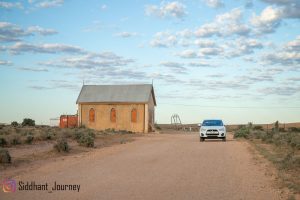
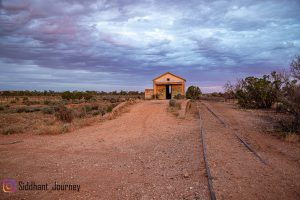
Remember when I mentioned the Silver City? Well, just a short drive from Broken Hill, you’ll find the Silverton Ghost Town. Once a thriving mining town, it’s now a deserted village frozen in time. Explore the abandoned buildings, feel the eerie vibes, and let your imagination run wild. And hey, if you’re lucky, maybe you’ll even encounter a friendly ghost or two.

3. Natural Landmarks and Scenic Spots

Enough with the history, let’s get out into nature and soak up some breathtaking views. Trust me, your Instagram followers will thank you.

3.1 The Living Desert Sculpture Park

Prepare to have your mind blown at The Living Desert Sculpture Park. It’s like someone took a bunch of giant sculptures and scattered them across the outback. The combination of art and nature is truly mesmerizing. Take a leisurely stroll along the walking trails, admire the stunning views, and let these unique sculptures spark your imagination.

3.2 Mundi Mundi Lookout

For a panoramic view that will leave you speechless (or at least breathless from the hike), head to Mundi Mundi Lookout. Stand on the edge of the world (well, it feels like it) and gaze out over the vastness of the outback. It’s the perfect spot to contemplate life, take some epic photos, and maybe even pretend you’re in a scene from an Australian western film.

4. Cultural and Artistic Experiences

Time to add a touch of culture and art to your Broken Hill itinerary. Don’t worry, there won’t be any snooty art critics around, just good vibes and creativity.

4.1 Broken Hill Regional Art Gallery

Get your art fix at the Broken Hill Regional Art Gallery, where you’ll find a collection of contemporary art from local and regional artists. The gallery also hosts regular exhibitions and events, so you might be lucky enough to catch some live art-making action or even meet the artists themselves. Plus, if you’re feeling inspired, you can create your own masterpiece at one of their workshops. Picasso, watch out!

4.2 Pro Hart Gallery

Last but certainly not least, pay a visit to the Pro Hart Gallery. Pro Hart, a famous Australian artist, called Broken Hill home and his gallery is a tribute to his incredible talent. Marvel at his vibrant paintings, explore his underground mine art studio, and maybe even see a live painting demonstration if you time it right. It’s like stepping into a world where colors come alive and creativity knows no bounds.

So there you have it, a taste of what Broken Hill has to offer. Whether you’re a history buff, a nature lover, an art aficionado, or just someone seeking a unique outback adventure, this charming outback town has something for everyone. So pack your bags, leave any broken expectations behind, and get ready to experience all that Broken Hill has to offer.
5. Outdoor Activities and Adventure Sports

5.1 Day trips to the Menindee Lakes

The Menindee Lakes are like a sparkling oasis in the heart of the outback. With their glistening blue waters and picturesque landscapes, they offer the perfect escape for outdoor enthusiasts. Whether you’re into fishing, boating, or simply lounging by the water, the Menindee Lakes have something for everyone. So pack your picnic basket, grab your sunscreen, and get ready for a day of fun in the sun!

5.2 Outback horseback riding tours

If you’ve ever dreamed of channeling your inner cowboy or cowgirl, then an outback horseback riding tour in Broken Hill is a must-do. Saddle up and explore the rugged beauty of the Australian outback on the back of a trusty steed. Whether you’re a seasoned rider or a complete beginner, there are options for riders of all levels. So grab your hat, put on your boots, and get ready for an unforgettable adventure on horseback.


6. Local Cuisine and Dining Options

6.1 Iconic Outback Pub Meals

After a day of exploring, there’s nothing better than tucking into a hearty meal at one of Broken Hill’s iconic outback pubs. From juicy steaks to classic Aussie burgers, these pubs serve up delicious meals that will satisfy even the biggest appetite. So pull up a chair, grab a cold beer, and indulge in some mouthwatering pub grub.

6.2 Exquisite Fine Dining in Broken Hill

For those seeking a more upscale dining experience, Broken Hill has a range of fine dining establishments that will make your taste buds sing. From modern Australian cuisine to international flavors, these restaurants offer a culinary experience that showcases the best of local produce. So if you’re looking to elevate your dining experience in Broken Hill, be sure to check out these exquisite fine dining options.

7. Shopping and Souvenir Hunting in Broken Hill

7.1 Quirky Outback Souvenirs

When it comes to souvenir hunting, Broken Hill has you covered with its array of quirky outback-themed mementos. From kangaroo keychains to opal jewelry, you’ll find unique treasures that capture the spirit of the outback. So grab your wallet and get ready to bring home a piece of Broken Hill.

7.2 Aboriginal Art and Crafts

For those interested in indigenous culture, Broken Hill offers a rich selection of Aboriginal art and crafts. Traditional paintings, intricate woodwork, and stunning ceramics are just some of the treasures you’ll find. These beautiful pieces not only make for wonderful souvenirs but also serve as a meaningful connection to the local Aboriginal heritage.


8. Accommodation and Travel Tips

8.1 Best Places to Stay in Broken Hill

When it comes to accommodation in Broken Hill, you’ll find options to suit every budget and preference. From cozy bed and breakfasts to luxurious hotels, there’s something for everyone. If you’re after a unique experience, you could even stay in one of the town’s charming heritage cottages. So rest easy knowing you’ll have a comfortable place to lay your head after a day of exploring.

8.2 Essential Travel Tips for Visitors

Before you embark on your journey to Broken Hill, here are a few travel tips to make your trip even smoother. Firstly, don’t forget to pack sunscreen and a hat to protect yourself from the outback sun. Secondly, be sure to bring comfortable walking shoes as you’ll be doing a lot of exploring. Lastly, don’t be afraid to strike up a conversation with the friendly locals. They’re always happy to share advice and anecdotes about life in the outback. So embrace the adventure and get ready for an unforgettable time in Broken Hill!
As we conclude our exploration of Broken Hill, it’s evident that this outback town is a destination of immense charm and allure. From its rich history showcased in its heritage sites and ghost town, to the breathtaking natural wonders and artistic experiences that abound, Broken Hill offers a truly unforgettable adventure. Whether you’re immersing yourself in the local culture, indulging in culinary delights, or embarking on thrilling outdoor activities, this outback gem has something for everyone. So pack your bags, embrace the spirit of adventure, and embark on a journey to Broken Hill – an extraordinary destination that will leave you with lasting memories.

Additional Information-

1. Is Broken Hill worth visiting?

Absolutely! Broken Hill is a unique and captivating destination with a rich history, stunning landscapes, vibrant art scene, and a range of exciting activities. Whether you’re interested in exploring historic sites, immersing yourself in nature, or experiencing local culture, Broken Hill has something to offer every visitor.

2. How do I get to Broken Hill?

Broken Hill is accessible by both air and road. The nearest airport is Broken Hill Airport, which offers regular flights from major cities in Australia. If you prefer a road trip, you can drive to Broken Hill from various locations, including Sydney, Adelaide, and Melbourne.

3. What are some must-visit attractions in Broken Hill?

Some must-visit attractions in Broken Hill include the Broken Hill Heritage Walk, Silverton Ghost Town, The Living Desert Sculpture Park, and the Broken Hill Regional Art Gallery. These sites offer a glimpse into the town’s history, cultural significance, and artistic heritage.

4. Are there any outdoor activities available in Broken Hill?

Absolutely! Broken Hill offers a range of outdoor activities and adventure sports. You can embark on day trips to the Menindee Lakes, enjoy horseback riding tours in the outback, or explore the rugged landscapes and hiking trails in the nearby national parks.

Jetty Foreshores in Coffs Harbour

Coffs Harbour’s Jetty Foreshores offer a picturesque and captivating setting for an evening stroll. Located on the stunning New South Wales coast, this area is renowned for its natural beauty, historical significance, and vibrant waterfront activities. Whether you’re looking to explore pristine beaches, immerse yourself in the area’s rich history, indulge in delicious dining experiences, or simply enjoy a relaxing walk along the waterfront, Jetty Foreshores has something to offer for everyone. Join us as we delve into the charm and allure of Jetty Foreshores, uncovering the delights that await visitors in this stunning coastal destination.

1. Introduction to Jetty Foreshores in Coffs Harbour

1.1 Location and Overview

Welcome to the picturesque Jetty Foreshores in Coffs Harbour, a charming coastal destination perfect for an evening stroll. Situated on the mid-north coast of New South Wales, Australia, Jetty Foreshores offers a delightful blend of natural beauty, historical significance, and waterfront activities. Whether you’re a nature enthusiast, history buff, or simply looking for some fun by the water, this charming area has something for everyone.

2. Exploring the Natural Beauty of Jetty Foreshores

2.1 Coastal Walks and Scenic Trails

Taking a leisurely walk along the coastal trail at Jetty Foreshores is a must-do activity. As you meander along the pathway, you’ll be treated to breathtaking views of the sparkling ocean and lush greenery. The path winds its way through scenic parks and reserves, allowing you to immerse yourself in the tranquility of nature while enjoying the cool sea breeze.

2.2 Pristine Beaches and Crystal Clear Waters

Jetty Foreshores boasts pristine beaches with crystal clear waters that are perfect for a refreshing dip or a lazy sunbathing session. Whether you’re a keen swimmer or prefer to simply relax on the sand, the beaches here offer a serene and idyllic setting to unwind and soak up the sun. Don’t forget your sunscreen and beach towel!

2.3 Lush Parks and Picnic Areas

If you’re looking to have a picnic or simply enjoy the outdoors, Jetty Foreshores has you covered. The area is dotted with lush parks and picnic spots, providing the perfect setting for a leisurely afternoon with family and friends. Spread out a blanket, unpack your delicious goodies, and bask in the beauty of nature while enjoying a tasty meal al fresco.

3. Historical Significance of Jetty Foreshores

3.1 The History of Coffs Harbour Jetty

Jetty Foreshores holds a rich historical significance, particularly with its iconic Coffs Harbour Jetty. Built in the late 1800s, the jetty played a vital role in facilitating trade and commerce for the region. Today, remnants of its historic past can still be seen, offering a glimpse into the area’s maritime history.

3.2 Heritage Buildings and Landmarks

As you explore Jetty Foreshores, you’ll come across several heritage buildings and landmarks that add to its charm. From the quaint timber cottages to the beautifully preserved structures, these architectural gems serve as a testament to the area’s cultural heritage. Take a moment to appreciate the intricate details and imagine the stories that have unfolded within their walls.

4. Enjoying Waterfront Activities along Jetty Foreshores

4.1 Fishing and Angling Opportunities

For all the fishing enthusiasts out there, Jetty Foreshores is a paradise. Grab your fishing rod and head to the jetty or find a serene spot along the shoreline to cast your line. With an abundance of fish species in the area, you have a good chance of reeling in a big catch and experiencing the thrill of angling.

4.2 Water Sports and Recreation

If you’re in the mood for some water-based fun, Jetty Foreshores won’t disappoint. From kayaking and stand-up paddleboarding to jet skiing and sailing, there are plenty of recreational activities to choose from. Feel the rush of adrenaline as you navigate the sparkling waters or simply take a leisurely cruise to soak in the scenic beauty.

So, whether you’re seeking natural beauty, a touch of history, or exciting water adventures, a stroll along Jetty Foreshores in Coffs Harbour is the perfect way to spend an evening. Lace up your walking shoes, pack your sense of wonder, and get ready for an unforgettable experience along this charming coastal gem.
5. Dining and Shopping Experiences in the Area

5.1 Local Restaurants and Cafes

When you’re done soaking in the beauty of Jetty Foreshores, don’t miss out on the delectable dining options available in the area. From charming cafes to upscale restaurants, there’s something to satisfy every craving.

Whether you’re in the mood for fresh seafood straight from the ocean or want to indulge in mouthwatering international cuisine, the local restaurants near Jetty Foreshores have got you covered. Plus, with their cozy atmospheres and friendly staff, you’ll feel right at home while enjoying your meal.

So, be sure to take a break from your evening stroll and treat yourself to a culinary adventure that will leave your taste buds dancing with delight.

5.2 Unique Shops and Boutiques

No stroll along the Jetty Foreshores is complete without a bit of retail therapy. Luckily, the area is home to a variety of unique shops and boutiques that cater to every style and taste.

From trendy clothing boutiques to quirky gift shops, you’re bound to find something that catches your eye. Explore the local stores and discover one-of-a-kind treasures that will serve as a reminder of your memorable evening in Coffs Harbour.

So, whether you’re in need of a fashion fix or looking for the perfect gift to take back home, make sure to leave some time to peruse the charming shops near Jetty Foreshores.

6. Sunset Views and Nighttime Charm at Jetty Foreshores

6.1 Captivating Sunsets over the Water

Prepare to be mesmerized by the breathtaking sunsets over the water at Jetty Foreshores. As the sun makes its descent, the sky comes alive with hues of orange, pink, and purple, creating a magical backdrop for your evening stroll.

Find a cozy spot along the waterfront, sit back, and let nature put on a show. Don’t forget to capture the stunning sunset on camera to cherish the memory forever.

6.2 Promenade Lighting and Nighttime Ambiance

As day turns into night, Jetty Foreshores transforms into a wonderland of twinkling lights and enchanting ambiance. The promenade comes alive, with gentle lighting guiding your way as you explore the area.

Take a leisurely stroll under the starry sky and soak in the peaceful nighttime atmosphere. The combination of the shimmering water, soft music playing from nearby restaurants, and the gentle breeze will leave you feeling completely enchanted.

7. Accommodation Options near Jetty Foreshores

7.1 Hotels and Resorts

If you’re planning an extended stay in Coffs Harbour, there are several hotels and resorts conveniently located near Jetty Foreshores. These accommodations offer a range of amenities and comfortable rooms, ensuring a relaxing and enjoyable stay.

From luxurious resorts with ocean views to budget-friendly hotels, you’ll find the perfect option to suit your needs and budget. After a long day of exploring, unwind in the comfort of your room and wake up refreshed and ready for another day of adventure.

7.2 Bed and Breakfasts and Vacation Rentals

For a more intimate and cozy experience, consider staying at a charming bed and breakfast or a vacation rental near Jetty Foreshores. These accommodations provide a home away from home, with personalized touches and warm hospitality.

Immerse yourself in the local culture and get insider tips from your hosts, who are often passionate about showcasing the best of Coffs Harbour. Wake up to a delicious home-cooked breakfast or enjoy the flexibility of having your own private space.

8. Tips for a Memorable Evening Stroll at Jetty Foreshores

8.1 Best Times to Visit

To make the most of your evening stroll at Jetty Foreshores, timing is key. Visit during the golden hour, just before sunset, to witness the stunning colors of the sky. The cooler temperatures and fewer crowds also add to the overall experience.

8.2 Safety and Security Considerations

While Jetty Foreshores is generally a safe and welcoming area, it’s always a good idea to take precautions when exploring any new place. Stick to well-lit areas, stay aware of your surroundings, and avoid isolated spots late at night.

Remember to lock your car and keep valuables out of sight, and if you’re traveling alone, consider informing someone of your plans. By staying vigilant, you can fully enjoy your evening stroll with peace of mind.

8.3 Recommended Photography Spots

Capture the beauty of Jetty Foreshores with some stunning photographs. Some of the best spots for photography include the iconic jetty itself, where you can frame the water and the lush greenery in the background.

Don’t forget to explore the surrounding area, as well. The picturesque coastal views and charming architecture make for great photo opportunities. And if you happen to be there during sunset, be ready to capture a truly magical shot.

So grab your camera, find the perfect angle, and snap away, creating lasting memories of your evening at Jetty Foreshores.In conclusion, an evening stroll along the picturesque Jetty Foreshores in Coffs Harbour is a truly enchanting experience. From the breathtaking natural beauty to the rich historical sites, the vibrant waterfront activities to the delightful dining options, this destination has it all. Whether you’re a nature lover, history enthusiast, or simply seeking a peaceful and scenic walk, Jetty Foreshores offers a perfect blend of relaxation and adventure. So, lace up your walking shoes and immerse yourself in the beauty of this coastal gem, creating memories that will last a lifetime.

Additional Information

1. Are there any entrance fees to access Jetty Foreshores?

No, there are no entrance fees to enjoy the Jetty Foreshores. It is a public area open to all visitors.

2. How long does the coastal walk along Jetty Foreshores take?

The length of the coastal walk can vary depending on your pace and the specific route you choose. On average, it takes about 1-2 hours to complete the entire walk, including stops to admire the views and explore various points of interest.

3. Are there any accommodation options available near Jetty Foreshores?

Yes, there are several accommodation options available in close proximity to Jetty Foreshores. From hotels and resorts to bed and breakfasts and vacation rentals, visitors have a range of choices to suit their preferences and budget.

4. Is it safe to enjoy an evening stroll at Jetty Foreshores?

Yes, Jetty Foreshores is generally considered safe for an evening stroll. However, it is always advisable to take standard safety precautions such as staying in well-lit areas, being aware of your surroundings, and avoiding isolated spots, especially late at night.


Day Dream Mine : A Mine Like No Other

A Guide to Visiting Day Dream Mine: What to Expect

1. Introduction to Day Dream Mine

1.1 History and Background

If you’re a history enthusiast or just love exploring unique places, Day Dream Mine is a hidden gem that shouldn’t be missed. Located in the picturesque town of Silverton, New South Wales, this historic mine offers a captivating glimpse into Australia’s mining past. The mine was first established in 1881 and played a significant role in the region’s silver and lead mining boom.

1.2 Location and Accessibility

Day Dream Mine is nestled in the rugged outback landscape, approximately 25 kilometers from Broken Hill. While it may seem like a remote location, don’t fret! The mine is easily accessible by road, and you’ll be rewarded with breathtaking views along the way. Just follow the signs and get ready for an adventure!

2. Planning Your Visit to Day Dream Mine

2.1 Choosing the Right Time to Visit

Before packing your exploration gear, it’s crucial to consider the best time to visit Day Dream Mine. The mine operates from April to October, so aim to plan your trip within this period to ensure it’s open to visitors. Keep an eye on the weather forecast as well, as extreme weather conditions may affect the availability of tours.

2.2 Admission Fees and Tickets

While the experience of exploring Day Dream Mine is priceless, there is an admission fee to cover the costs of preserving this historical site. Be sure to check the official website for the most up-to-date information on ticket prices and any special offers. It’s always a good idea to book your tickets in advance to secure your spot and avoid disappointment.

2.3 Getting to Day Dream Mine

Getting to Day Dream Mine is part of the adventure! If you’re traveling by car, the mine is easily accessible via the Silverton Road. Enjoy the scenic drive and keep an eye out for kangaroos and emus along the way. Alternatively, if you’re staying in Broken Hill, you can arrange transportation through local tour operators.

3. Exploring the History of Day Dream Mine

3.1 Origins and Significance

Day Dream Mine has a rich history dating back to the late 19th century. It played a vital role in the development of the silver and lead mining industry in the area, contributing to the growth of Silverton and Broken Hill. Prepare to be amazed as you learn about the fascinating stories of the mine’s past and the people who worked tirelessly to extract precious minerals from the earth.

3.2 Key Events and Milestones

Throughout its history, Day Dream Mine has witnessed numerous key events and milestones that shaped the mining industry in Australia. From technological advancements to labor strikes, the mine has seen it all. Explore the exhibits and artifacts to gain a deeper understanding of the challenges and triumphs faced by those who toiled underground.

3.3 Preservation Efforts

Preserving this historical site is of utmost importance, and Day Dream Mine has dedicated efforts to maintain its authenticity. Thanks to ongoing preservation initiatives, visitors can explore the mine and its underground tunnels while experiencing the atmosphere and conditions of the past. Let’s give a round of applause to those who work tirelessly to keep the history alive!

4. Touring the Mine: What to Expect Underground

4.1 Guided Tours and Duration

Once you step into Day Dream Mine, get ready for an unforgettable underground adventure. Guided tours are available to ensure a safe and informative experience. The knowledgeable guides will lead you through the labyrinth of tunnels, sharing intriguing stories and answering any questions you might have. The duration of the tour varies but typically ranges from one to two hours, so wear comfortable shoes and be prepared to walk!

4.2 Safety Guidelines and Equipment

Safety is a top priority, and Day Dream Mine provides all the necessary equipment for your underground exploration. Before entering the mine, you’ll receive a safety briefing and be equipped with a hard hat and a lamp. Just remember to follow the guide’s instructions to ensure a smooth and secure journey through the underground passageways.

4.3 Highlights and Points of Interest

As you venture deeper into the mine, you’ll encounter fascinating highlights and points of interest. From the remains of old mining equipment to unique geological formations, there’s something for everyone to marvel at. Keep your eyes peeled for signs of the rich mineral veins that attracted miners to this site over a century ago. And don’t forget to take plenty of photos to capture the memories!

Now that you’re armed with all the information you need, it’s time to plan your visit to Day Dream Mine. Get ready to immerse yourself in history, unravel the stories of the past, and enjoy an unforgettable adventure underground. Happy exploring!
5. Safety Precautions and Guidelines for Visitors

5.1 General Safety Tips

When visiting Day Dream Mine, it’s important to prioritize safety. Here are a few general safety tips to keep in mind:

– Wear appropriate footwear: The mine can be uneven and slippery, so make sure you wear sturdy, closed-toe shoes or boots.

– Dress for the occasion: The mine can be chilly, even in warmer months, so bringing a light jacket or sweater is a good idea. Also, consider wearing clothing that can get a little dirty or dusty.

– Stay hydrated: Exploring a mine can be physically demanding, so be sure to bring water and stay hydrated throughout your visit.

– Follow instructions: Listen to your tour guide and follow their instructions carefully. They are there to ensure your safety and enhance your experience.

5.2 Special Considerations for Underground Tours

If you choose to take an underground tour at Day Dream Mine, there are a few extra considerations to keep in mind:

– Be mindful of low ceilings and narrow passages: Some parts of the mine may have low ceilings or narrow passages, so be prepared to crouch or maneuver through tight spaces.

– Use the provided equipment: In some areas, helmets and other safety equipment may be required. Make sure to use them as instructed by your tour guide.

– Stick with the group: It’s important to stay together with your tour group and not wander off on your own. This helps ensure everyone’s safety and prevents anyone from getting lost.

5.3 Emergency Procedures

While unlikely, it’s important to be prepared for emergencies. Familiarize yourself with the emergency procedures provided by the mine staff. If there is an emergency, stay calm and follow the instructions given by the tour guide or staff members.

6. Discovering the Surrounding Area: Attractions and Activities

6.1 Nature Trails and Hiking Options

Day Dream Mine is located in a beautiful natural area, offering opportunities for outdoor exploration. Take advantage of the nature trails and hiking options available nearby. Whether it’s a leisurely walk or a more challenging hike, there’s something for everyone to enjoy.

6.2 Nearby Historical Sites

If you’re interested in history, you’re in luck. There are several historical sites in the vicinity of Day Dream Mine that are worth exploring. Learn about the fascinating past of the area and gain a deeper appreciation for the region’s rich heritage.

6.3 Local Accommodations and Dining

Extend your visit and make the most of your time in the area by checking out the local accommodations and dining options. There are charming bed and breakfasts, cozy guesthouses, and even campgrounds available for those who want to stay overnight. And don’t forget to savor the local cuisine at one of the nearby eateries – a delicious meal can be the perfect way to end a day of exploration.

7. Tips for a Memorable Experience at Day Dream Mine

7.1 Packing Essentials

To ensure you have a comfortable and enjoyable visit, it’s important to pack some essentials. Consider bringing sunscreen, insect repellent, a hat, sunglasses, and a refillable water bottle. These items will help you stay protected from the sun, bugs, and dehydration.

7.2 Photography and Souvenir Options

Capture the memories of your Day Dream Mine adventure by bringing along a camera or smartphone for photography. There may also be opportunities to purchase souvenirs or mementos that will remind you of your visit. Whether it’s a postcard, a small trinket, or a piece of local artwork, these keepsakes can be a wonderful way to cherish your experience.

7.3 Engaging with Tour Guides and Local Experts

The tour guides and local experts at Day Dream Mine have a wealth of knowledge and stories to share. Engage with them, ask questions, and take advantage of their expertise. Their insights can enhance your experience and provide a deeper understanding of the mine’s history and significance. Plus, they often have a great sense of humor and can make the tour even more enjoyable with their wit and personality. So don’t be shy – strike up a conversation and make the most of your time at Day Dream Mine.
As you conclude your visit to Day Dream Mine, take a moment to reflect on the rich history and remarkable experiences you’ve encountered. From exploring the depths of the mine to learning about its significance, your journey has been filled with adventure and knowledge. We hope this guide has provided valuable insights and enhanced your visit to Day Dream Mine. Remember to cherish the memories made and share the stories of this extraordinary place with others. Until the next adventure, farewell, and may the spirit of Day Dream Mine stay with you always.

Frequently Asked Questions (FAQ)

1. Are children allowed to visit Day Dream Mine?

Yes, children are allowed to visit Day Dream Mine. However, it is important to note that the underground tours may not be suitable for very young children or those who are claustrophobic. Please consider the age and comfort level of your children before planning a visit.

2. Is photography allowed inside the mine?

Yes, photography is generally allowed inside the mine. However, it is important to follow the guidelines provided by the tour guides to ensure the safety of both the visitors and the historic site. Flash photography may be restricted in certain areas to preserve the integrity of the mine.

3. Can I bring my own equipment for the underground tour?

For safety reasons, it is recommended to use the equipment provided by Day Dream Mine during the underground tour. This includes helmets, headlamps, and other necessary safety gear. Bringing your own equipment may not be permitted or suitable for the tour.

4. Is Day Dream Mine accessible for individuals with mobility issues?

While the surface areas of Day Dream Mine are accessible for individuals with mobility issues, it is important to note that the underground mine tour involves navigating through uneven terrain and narrow passages. As a result, it may be challenging or impossible for those with limited mobility to participate in the underground tour. It is advisable to contact Day Dream Mine in advance to discuss any specific accessibility concerns or requirements.