4×4 vs 2WD: Which Vehicle is Ideal for Driving in the Australian Outback?

The Australian Outback is a vast and awe-inspiring landscape known for its rugged terrain, extreme weather conditions, and unique wildlife. Driving in this remote and challenging environment requires careful consideration of the vehicle choice to ensure both safety and efficiency. In this article, we will explore the advantages and disadvantages of 4×4 vehicles and 2WD vehicles for navigating the Australian Outback. By evaluating factors such as off-road performance, safety considerations, fuel efficiency, and practicality, we aim to provide readers with valuable insights to help make an informed decision when it comes to selecting the ideal vehicle for driving in the Australian Outback.


1. Introduction: Understanding the Terrain and Challenges of the Australian Outback


1.1 The vastness and uniqueness of the Australian Outback

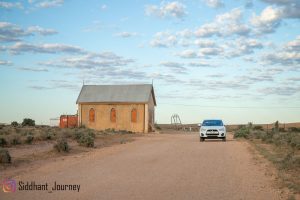
Ah, the Australian Outback. A land as vast as your never-ending to-do list and as unique as that one-of-a-kind souvenir you bought on your last vacation. It stretches for miles and miles, captivating adventurers with its rugged beauty and untamed wilderness.

1.2 The rugged terrain and potential obstacles

But don’t be fooled by its breathtaking landscapes. The Outback is not for the faint of heart. Its terrain is as unpredictable as the weather forecast, with rocky outcrops, sandy deserts, and treacherous waterways that can throw even the most seasoned driver off course.

1.3 Importance of vehicle choice for Outback driving

Given the challenges that the Australian Outback presents, choosing the right vehicle for your adventure becomes a crucial decision. It’s like picking the perfect outfit for a first date – you want something that makes you look good and gets the job done without any embarrassing mishaps. So, let’s dive into the comparison between 4×4 and 2WD vehicles and see which one comes out on top.

2. Exploring the Benefits of 4×4 Vehicles in the Outback


2.1 Increased traction and off-road capabilities

When it comes to tackling the wild and unruly Outback, 4×4 vehicles are like the superhero of the road. With power going to all four wheels, these beasts provide better traction, meaning you can conquer steep slopes, sandy surfaces, and muddy tracks with confidence.

2.2 Enhanced stability and control on uneven surfaces

Driving in the Outback can feel a bit like riding a rollercoaster, except without the safety harness. That’s where 4×4 vehicles shine, offering enhanced stability and control on those bumpy, uneven terrains. They handle the dips and bumps like a pro, leaving you feeling less like a shaken cocktail and more like a smooth operator.

2.3 Ability to handle steep inclines and declines

The Outback isn’t afraid to throw some steep hills your way. Fortunately, 4×4 vehicles are built to take on these challenges head-on. With their impressive hill-climbing and descent control features, you can conquer those intimidating slopes without breaking a sweat. It’s like having your own personal cheerleader, cheering you on with every ascent and descent.


3. Evaluating the Advantages of 2WD Vehicles for Outback Driving


3.1 Higher fuel efficiency and lower cost of ownership

If you’re the kind of person who cringes at the thought of spending a small fortune on fuel, then 2WD vehicles might be your saving grace. Thanks to their simpler drivetrain, these vehicles tend to be more fuel-efficient than their 4×4 counterparts. Plus, they often come with a lower price tag, which means more money in your pocket for those Australian souvenir magnets.

3.2 Smooth ride quality on well-maintained roads

Let’s face it – not every Outback adventure involves getting down and dirty in the muddiest of terrains. Sometimes, you just want to take a leisurely drive along a well-maintained road, soaking in the beauty of the surroundings without worrying about every pebble on the path. In these situations, 2WD vehicles tend to offer a smoother, more comfortable ride compared to their 4×4 siblings.

3.3 Maneuverability in urban areas and easier parking

Now, let’s not forget about life beyond the Outback. When you’re back in civilization, navigating urban areas can be a challenge of its own. In this regard, 2WD vehicles have the upper hand, with their lighter weight and more compact size making them easier to maneuver through the concrete jungles. Plus, finding a parking spot becomes a breeze with a 2WD vehicle, saving you from the frustration of circling the block for what feels like an eternity.

4. Comparing Off-Road Performance: 4×4 vs 2WD


4.1 Tackling sandy and loose surfaces

When it comes to sandy and loose surfaces, 4×4 vehicles have the advantage. With power distributed to all four wheels, they dig in and power through the sand like a digger at a construction site. 2WD vehicles, on the other hand, might find themselves stuck faster than a kangaroo mid-hop. So, if you’re planning on some serious dune bashing, a 4×4 is the way to go.

4.2 Navigating through rocky terrains

Rocky terrains can be a real headache for any vehicle, but 4x4s are equipped to handle these challenges. With their higher ground clearance and rugged suspension, they can crawl over rocks like a spider on a web. 2WD vehicles, however, might find themselves scraping their undercarriage and inching along at a snail’s pace. So, if you’re planning on taking the road less traveled, a 4×4 will be your trusty companion.

4.3 Crossing waterways and handling mud

Ah, the great outdoors and its waterways. Crossing these can be a daunting task, especially for those without the right equipment. 4×4 vehicles often come with waterproofing features and higher air intakes to handle the murky challenges of water and mud. While 2WD vehicles might have to sit this one out or risk a not-so-refreshing dip in the river. So, if you’re planning on channeling your inner amphibian, a 4×4 is the answer.

Now that you’re armed with the knowledge of 4×4 and 2WD vehicles, you can make an informed decision about which one suits your Outback adventure best. Remember, whether you choose to conquer the great unknown or stick to the well-paved roads, the most important thing is to enjoy the journey and embrace the spirit of exploration. Happy driving, mate!the outback

5. Safety Considerations: Which Vehicle Offers Better Protection in the Outback?

Let’s face it, safety should always be a top priority when venturing into the wild and rugged Australian Outback. When it comes to protection, 4×4 vehicles have the upper hand over their 2WD counterparts. With enhanced stability and reduced risk of rollovers, 4×4 vehicles provide a safer driving experience in challenging terrains. This is especially important when traversing uneven surfaces and tackling steep slopes, where a 2WD vehicle may struggle to maintain control. Additionally, modern 4×4 vehicles come equipped with advanced safety features, adding an extra layer of protection for you and your passengers. However, it’s crucial to remember that vehicle maintenance plays a significant role in ensuring your safety. Regularly checking and servicing your vehicle can help prevent breakdowns and minimize the risk of accidents.

6. Fuel Efficiency and Cost Factors: Analyzing the Economic Aspects of 4×4 and 2WD Vehicles

If you’re concerned about fuel efficiency and the cost of ownership, the decision between a 4×4 and a 2WD vehicle becomes a crucial one. Generally, 4×4 vehicles tend to consume more fuel compared to their 2WD counterparts. The additional drivetrain components and weight contribute to higher fuel consumption. On top of that, 4×4 vehicles often require specialized maintenance and repairs, which can be pricier than those for 2WD vehicles. However, it’s important to consider the resale value and long-term financial implications. 4×4 vehicles tend to hold their value better in the market, and if you plan on venturing further into the Outback in the future, the capabilities of a 4×4 might outweigh the initial higher costs.

7. Practical Considerations: Accessibility, Maintenance, and Repairs in the Australian Outback

One of the practical aspects to consider when choosing a vehicle for the Australian Outback is accessibility to repair services. In remote areas, it may be challenging to find repair shops that specialize in 4×4 vehicles. On the other hand, 2WD vehicles are more common and easier to repair due to their simpler drivetrain. Additionally, accessibility becomes a significant factor when exploring the Outback. While 4×4 vehicles are designed to tackle rough terrains and provide better off-road capabilities, 2WD vehicles can still access many popular tourist spots and well-maintained gravel roads. Finally, consider maintenance and repairs. 4×4 vehicles often require specialized maintenance, but with proper care and attention, they can provide reliable performance in the Outback.

8. The Fun Factor: Which Vehicle Offers a More Adventurous Experience in the Australian Outback?

Now, let’s talk about the fun factor! If you’re an adventure enthusiast seeking an adrenaline rush, a 4×4 vehicle is your ticket to excitement in the Australian Outback. With their off-roading capabilities, 4×4 vehicles can tackle rugged terrains and conquer challenging obstacles, creating unforgettable memories. On the other hand, a 2WD vehicle can still offer a great experience, allowing you to explore remote locations and enjoy the scenic beauty of the Outback. While it may not have the same thrill as a 4×4, the simplicity and accessibility of a 2WD vehicle bring their own charm. So, whether you’re a thrill-seeker or prefer a more laid-back adventure, the choice between a 4×4 and a 2WD ultimately depends on your preference and the type of experience you’re looking for.

8. Conclusion: Making an Informed Decision for Outback Driving

In conclusion, choosing between a 4×4 and a 2WD vehicle for driving in the Australian Outback depends on various factors, including the terrain, driving preferences, safety considerations, and economic factors. While 4×4 vehicles offer enhanced off-road capabilities and increased stability, 2WD vehicles excel in fuel efficiency and cost-effectiveness. Ultimately, it is crucial to assess individual needs and priorities when deciding on the ideal vehicle for Outback driving. By considering the insights and information provided in this article, you can make a well-informed decision that best suits your requirements and ensures an enjoyable and safe experience exploring the vast beauty of the Australian Outback.

FAQ


1. Is a 4×4 vehicle necessary for driving in the Australian Outback?


While a 4×4 vehicle offers superior off-road capabilities and can handle the rugged terrains of the Outback, it may not be necessary for all areas. Well-maintained roads and popular tourist destinations can often be reached with a 2WD vehicle. However, if you plan to venture into more remote and challenging areas, a 4×4 vehicle is highly recommended for safety and better handling.


2. Are 4×4 vehicles more expensive to maintain and repair?


Generally, 4×4 vehicles are associated with higher maintenance and repair costs compared to 2WD vehicles. The complexity of the drivetrain, additional components, and specialized parts contribute to this. However, regular maintenance, proper servicing, and responsible off-road driving can help minimize repair expenses in the long run.


3. Are there any safety concerns with 2WD vehicles in the Outback?


While 2WD vehicles can be safe for driving in the Outback, there are certain limitations to consider. Their lower ground clearance and traction can make them more susceptible to getting stuck in sandy or muddy terrains. It’s essential to exercise caution, choose well-maintained routes, and plan accordingly when driving a 2WD vehicle in the Outback.


4. Can 4×4 vehicles be driven on regular roads in urban areas?
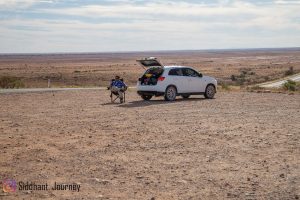
 

Yes, 4×4 vehicles can be driven on regular roads in urban areas just like any other vehicle. However, it’s important to keep in mind that their larger size and weight may require more parking space and maneuvering considerations. Additionally, some 4×4 vehicles may have a larger turning radius, so familiarizing yourself with the vehicle’s dimensions is advisable.

Preparing Your Vehicle for a Trip to the Australian Outback

Venturing into the vast and rugged Australian Outback is a thrilling and awe-inspiring experience like no other. However, this unique and challenging environment demands careful preparation to ensure a safe and enjoyable journey. From understanding the harsh climate to equipping your vehicle with the necessary supplies, there are several crucial steps to take before embarking on an Outback adventure. In this article, we will guide you through the essential considerations and precautions to take, from conducting a thorough vehicle inspection to navigating remote areas and planning your route. By following these guidelines, you can embark on a memorable and trouble-free journey into the heart of the Australian Outback.


Preparing Your Vehicle for a Trip to the Australian Outback


1. Understanding the Unique Challenges of the Australian Outback


1.1 The Harsh Climate and Extreme Temperatures

The Australian Outback is no place for delicate vehicles. With scorching temperatures and a harsh climate, it’s essential to ensure your vehicle is up to the challenge. From engine overheating to tire blowouts, the Outback can put your vehicle through its paces.

1.2 Unpredictable Weather Conditions

Mother Nature likes to keep things interesting in the Outback. From sudden downpours that turn dusty roads into slippery mud traps to intense dust storms that reduce visibility to zero, you never know what weather conditions you’ll encounter. Prepare for anything and everything!

1.3 Remote and Isolated Locations

The Outback is known for its vast stretches of uninhabited land. It’s crucial to understand that help may not be readily available in case of an emergency. If your vehicle breaks down in the middle of nowhere, you might be on your own for quite some time.

2. Conducting a Thorough Vehicle Inspection


2.1 Checking the Engine and Components

Before embarking on an Outback adventure, make sure your engine is in tiptop shape. Ensure all fluids are topped up, filters are clean, and belts are intact. Consider getting a professional inspection to catch any potential issues before they become roadside disasters.

2.2 Assessing the Tires and Suspension

Your tires are your best friends on rugged Outback roads, so treat them right. Check the tread depth, ensure they’re properly inflated, and inspect them for any signs of wear and tear. Also, don’t forget about your suspension – the Outback’s bumps and dips can take a toll on it!

2.3 Inspecting the Brakes and Lights

Properly functioning brakes and lights are essential for your safety in any driving condition, but they become even more critical in remote areas. Make sure your brake pads and discs are in good condition, and test all your lights to ensure they’re bright and visible.

3. Essential Supplies and Equipment for Outback Travel


3.1 Packing Sufficient Food and Water

When venturing into the Outback, think like a Boy or Girl Scout and be prepared. Pack enough food and water to sustain you in case of unexpected delays or getting temporarily lost. Hydration and nutrition are crucial for staying sharp and maintaining your energy levels.

3.2 Carrying Basic Camping and Survival Gear

Even if you don’t plan on camping, having basic camping and survival gear is a wise move. A sturdy tent, sleeping bag, cooking equipment, and a first aid kit can make all the difference in case you find yourself stranded or needing shelter for the night.

3.3 Emergency Communication Devices

In remote areas, cell phone reception can be as scarce as a cool breeze. Don’t rely solely on your smartphone for communication. Invest in a good quality UHF radio or satellite phone to ensure you can call for help if needed. It’s better to be safe than sorry!


4. Navigating Remote Areas and Planning Your Route


4.1 Researching and Mapping Outback Routes

The Outback offers an array of enticing routes, but not all are suitable for every vehicle. Research and choose a route that matches your vehicle type and your driving skills. Consult travel guides, online forums, and local authorities for the latest information and advice.

4.2 Identifying Fuel and Water Stops

Fuel and water are your lifelines in the Outback, so plan your stops accordingly. Mark fuel stations and water sources along your route to ensure you can refuel and stay hydrated. It’s better to have more than enough than risk running out in the middle of nowhere!

4.3 Preparing for Off-Roading Challenges

Off-roading is inevitable in the Outback, so make sure your vehicle is equipped for it. Consider upgrading your suspension, fitting protective underbody plates, and investing in quality off-road tires. And remember, it’s not a race – take it slow and steady to avoid unnecessary mishaps.

Now that you’re armed with the knowledge to prepare your vehicle for an unforgettable Outback adventure, go forth and conquer the vast Australian wilderness. Just remember to pack your sense of humor because you never know what the Outback might throw at you – both literally and figuratively!

5. Safety Precautions and Emergency Preparedness

Traveling to the Australian Outback can be an exciting adventure, but it’s important to prioritize safety. Here are some key safety precautions and emergency preparedness tips to keep in mind:

5.1 First Aid Kits and Medications

Pack a well-stocked first aid kit that includes essential items such as bandages, antiseptic ointment, pain relievers, and any necessary prescription medications. It’s also a good idea to familiarize yourself with basic first aid procedures in case of emergencies.

5.2 Carrying Spare Parts and Tools

The Outback is known for its rugged terrain, so it’s wise to carry spare parts and tools for your vehicle. Items like spare tires, tire repair kits, extra fluids, and basic tools can help you deal with any unexpected breakdowns or repairs.

5.3 Understanding Wildlife Hazards

The Outback is home to a diverse range of wildlife, some of which can pose risks to travelers. Be aware of potential hazards, such as snakes, spiders, and dingoes, and educate yourself on how to handle encounters with these creatures safely. Additionally, take precautions to avoid attracting wildlife to your campsite, such as keeping food securely stored.

6. Communication and Connectivity in the Outback

Staying connected in the vast and remote Outback can be a challenge, but it’s crucial for safety and navigation purposes. Here’s what you need to know:

6.1 Choosing the Right Communication Equipment

Invest in reliable communication equipment, such as a two-way radio or satellite phone, to ensure you have a means of getting help in case of emergencies. Research and choose equipment that is suitable for the remote areas you plan to visit.

6.2 Understanding Satellite Phone Coverage

Keep in mind that mobile phone coverage is limited in the Outback. It’s worth investing in a satellite phone, as it provides a more reliable means of communication when traveling in remote areas where there is no mobile network coverage.

6.3 Staying Connected with GPS and Maps

Carry a GPS device and detailed maps of the area to help with navigation. However, it’s important to remember that technology can fail or lose signal, so always have backup map and compass navigation skills.

7. Environmental Considerations and Responsible Travel

Traveling responsibly in the Outback is essential for preserving its unique environment. Here are some considerations to keep in mind:

7.1 Leave No Trace Principles

Adhere to the principles of Leave No Trace, which means leaving the environment as you found it. Minimize your impact by disposing of waste properly, keeping noise levels down, and respecting wildlife and vegetation.

7.2 Protecting Wildlife and Flora

The Outback is home to many unique and fragile species. Avoid disturbing wildlife or damaging flora by keeping a safe distance and staying on designated tracks and trails. Be particularly cautious when driving at night to avoid collisions with animals.

7.3 Minimizing Your Environmental Footprint

Reduce your environmental footprint by conserving water, using fuel efficiently, and practicing responsible camping. Use designated campsites whenever possible, and avoid creating new fire rings or disturbing natural surroundings.

8. Tips for a Memorable and Enjoyable Outback Adventure

While safety and environmental considerations are important, don’t forget to enjoy your Outback adventure to the fullest. Here are some tips for an unforgettable experience:

8.1 Embracing the Outback’s Unique Beauty

Take the time to soak in the awe-inspiring landscapes and spectacular sunsets the Outback offers. Whether it’s the vast red deserts or stunning rock formations, appreciate the natural beauty that sets this region apart.

8.2 Engaging with Indigenous Culture

The Outback is rich in Indigenous history and culture. Seek opportunities to learn and engage with Indigenous communities, respecting their traditions and customs. Consider joining guided tours or cultural experiences to gain a deeper understanding of this ancient land.

Remember, an Outback adventure requires careful planning, safety precautions, and responsible behavior. By being prepared and respectful, you can have an enjoyable and memorable experience exploring the wonders of the Australian Outback.In conclusion, preparing your vehicle for a trip to the Australian Outback is an essential step in ensuring a successful and enjoyable adventure. By understanding the unique challenges of the Outback, conducting a thorough vehicle inspection, and equipping yourself with the necessary supplies and equipment, you can navigate this remote and awe-inspiring landscape with confidence. Remember to prioritize safety, practice responsible travel, and embrace the beauty and wonder of the Outback. With proper preparation and a sense of adventure, your trip to the Australian Outback is sure to be an unforgettable experience.

FAQ


1. Is it safe to travel to the Australian Outback?

Traveling to the Australian Outback can be safe if you take necessary precautions. It is crucial to prepare your vehicle, pack sufficient supplies, and understand the challenges of the environment. Additionally, following safety guidelines, such as informing others about your itinerary and carrying emergency communication devices, can greatly enhance your safety during the trip.

2. What should I do if my vehicle breaks down in the Outback?

In the event of a vehicle breakdown in the Outback, it is important to stay calm and follow a few key steps. First, ensure your safety by pulling off the road and activating hazard lights. Assess the issue and attempt any basic repairs if you have the knowledge and tools. If unable to fix the problem, use your emergency communication devices to call for assistance. It is also advisable to have a comprehensive roadside assistance plan in place before embarking on your journey.

3. How do I navigate in remote areas without GPS or cellular signal?

Navigating in remote areas of the Outback without GPS or cellular signal requires some pre-planning. Research and obtain detailed maps and guidebooks specific to the region you will be traveling in. Familiarize yourself with landmarks, road signs, and any available offline navigation apps or devices. It is also recommended to have a compass and the ability to navigate using traditional methods, such as using the sun or stars if necessary.

Broken Hill – The Ultimate Outback Beauty

Welcome to Broken Hill, a fascinating outback town located in the far west of New South Wales, Australia. Known for its rich history, stunning landscapes, and vibrant artistic culture, Broken Hill offers a unique and unforgettable travel experience. This article will guide you through the top places to visit in Broken Hill, showcasing its historic attractions, natural landmarks, cultural experiences, outdoor activities, culinary delights, shopping opportunities, and essential travel tips. Whether you’re a history enthusiast, nature lover, art aficionado, or adventure seeker, Broken Hill has something to captivate and inspire you. Let’s embark on a journey to discover the hidden treasures of this remarkable outback destination.


1. Introduction to Broken Hill

Ah, Broken Hill. A place with a name so literal, it’s practically begging for a cheesy joke. But don’t be fooled by the name, because this outback town in New South Wales, Australia has a lot more to offer than just broken things.

1.1 The History and Background of Broken Hill

Let’s dive into a bit of history, shall we? Broken Hill has a rich mining heritage that dates back to the late 1800s. It was once known as the “Silver City” because of its booming silver, lead, and zinc mines. These days, it’s more commonly referred to as the “Gateway to the Outback.” But fear not, you won’t be greeted by a kangaroo at the city limits. Well, maybe you will, but that’s just a bonus.

1.2 Getting to Broken Hill

Getting to Broken Hill is surprisingly easy considering its remote location. You can hop on a domestic flight from major Australian cities like Sydney or Melbourne, or if you’re feeling adventurous, embark on a scenic road trip through the outback. Just make sure you have some good tunes and plenty of snacks to keep you entertained along the way.

2. Historic Attractions in Broken Hill

Now that you’re in Broken Hill, it’s time to explore its fascinating historic attractions. Get your walking shoes ready, because we’re about to take a journey through time.

2.1 Broken Hill Heritage Walk

If you’re a history buff or just enjoy strolling around charming streets, the Broken Hill Heritage Walk is a must-do. You’ll wander through the heart of the city, passing by beautiful old buildings that tell tales of a bygone era. Plus, it’s a great opportunity to step up your Instagram game with some seriously picturesque photo ops.

2.2 Silverton Ghost Town

Remember when I mentioned the Silver City? Well, just a short drive from Broken Hill, you’ll find the Silverton Ghost Town. Once a thriving mining town, it’s now a deserted village frozen in time. Explore the abandoned buildings, feel the eerie vibes, and let your imagination run wild. And hey, if you’re lucky, maybe you’ll even encounter a friendly ghost or two.

3. Natural Landmarks and Scenic Spots

Enough with the history, let’s get out into nature and soak up some breathtaking views. Trust me, your Instagram followers will thank you.

3.1 The Living Desert Sculpture Park

Prepare to have your mind blown at The Living Desert Sculpture Park. It’s like someone took a bunch of giant sculptures and scattered them across the outback. The combination of art and nature is truly mesmerizing. Take a leisurely stroll along the walking trails, admire the stunning views, and let these unique sculptures spark your imagination.

3.2 Mundi Mundi Lookout

For a panoramic view that will leave you speechless (or at least breathless from the hike), head to Mundi Mundi Lookout. Stand on the edge of the world (well, it feels like it) and gaze out over the vastness of the outback. It’s the perfect spot to contemplate life, take some epic photos, and maybe even pretend you’re in a scene from an Australian western film.

4. Cultural and Artistic Experiences

Time to add a touch of culture and art to your Broken Hill itinerary. Don’t worry, there won’t be any snooty art critics around, just good vibes and creativity.

4.1 Broken Hill Regional Art Gallery

Get your art fix at the Broken Hill Regional Art Gallery, where you’ll find a collection of contemporary art from local and regional artists. The gallery also hosts regular exhibitions and events, so you might be lucky enough to catch some live art-making action or even meet the artists themselves. Plus, if you’re feeling inspired, you can create your own masterpiece at one of their workshops. Picasso, watch out!

4.2 Pro Hart Gallery

Last but certainly not least, pay a visit to the Pro Hart Gallery. Pro Hart, a famous Australian artist, called Broken Hill home and his gallery is a tribute to his incredible talent. Marvel at his vibrant paintings, explore his underground mine art studio, and maybe even see a live painting demonstration if you time it right. It’s like stepping into a world where colors come alive and creativity knows no bounds.

So there you have it, a taste of what Broken Hill has to offer. Whether you’re a history buff, a nature lover, an art aficionado, or just someone seeking a unique outback adventure, this charming outback town has something for everyone. So pack your bags, leave any broken expectations behind, and get ready to experience all that Broken Hill has to offer.
5. Outdoor Activities and Adventure Sports

5.1 Day trips to the Menindee Lakes

The Menindee Lakes are like a sparkling oasis in the heart of the outback. With their glistening blue waters and picturesque landscapes, they offer the perfect escape for outdoor enthusiasts. Whether you’re into fishing, boating, or simply lounging by the water, the Menindee Lakes have something for everyone. So pack your picnic basket, grab your sunscreen, and get ready for a day of fun in the sun!

5.2 Outback horseback riding tours

If you’ve ever dreamed of channeling your inner cowboy or cowgirl, then an outback horseback riding tour in Broken Hill is a must-do. Saddle up and explore the rugged beauty of the Australian outback on the back of a trusty steed. Whether you’re a seasoned rider or a complete beginner, there are options for riders of all levels. So grab your hat, put on your boots, and get ready for an unforgettable adventure on horseback.


6. Local Cuisine and Dining Options

6.1 Iconic Outback Pub Meals

After a day of exploring, there’s nothing better than tucking into a hearty meal at one of Broken Hill’s iconic outback pubs. From juicy steaks to classic Aussie burgers, these pubs serve up delicious meals that will satisfy even the biggest appetite. So pull up a chair, grab a cold beer, and indulge in some mouthwatering pub grub.

6.2 Exquisite Fine Dining in Broken Hill

For those seeking a more upscale dining experience, Broken Hill has a range of fine dining establishments that will make your taste buds sing. From modern Australian cuisine to international flavors, these restaurants offer a culinary experience that showcases the best of local produce. So if you’re looking to elevate your dining experience in Broken Hill, be sure to check out these exquisite fine dining options.

7. Shopping and Souvenir Hunting in Broken Hill

7.1 Quirky Outback Souvenirs

When it comes to souvenir hunting, Broken Hill has you covered with its array of quirky outback-themed mementos. From kangaroo keychains to opal jewelry, you’ll find unique treasures that capture the spirit of the outback. So grab your wallet and get ready to bring home a piece of Broken Hill.

7.2 Aboriginal Art and Crafts

For those interested in indigenous culture, Broken Hill offers a rich selection of Aboriginal art and crafts. Traditional paintings, intricate woodwork, and stunning ceramics are just some of the treasures you’ll find. These beautiful pieces not only make for wonderful souvenirs but also serve as a meaningful connection to the local Aboriginal heritage.


8. Accommodation and Travel Tips

8.1 Best Places to Stay in Broken Hill

When it comes to accommodation in Broken Hill, you’ll find options to suit every budget and preference. From cozy bed and breakfasts to luxurious hotels, there’s something for everyone. If you’re after a unique experience, you could even stay in one of the town’s charming heritage cottages. So rest easy knowing you’ll have a comfortable place to lay your head after a day of exploring.

8.2 Essential Travel Tips for Visitors

Before you embark on your journey to Broken Hill, here are a few travel tips to make your trip even smoother. Firstly, don’t forget to pack sunscreen and a hat to protect yourself from the outback sun. Secondly, be sure to bring comfortable walking shoes as you’ll be doing a lot of exploring. Lastly, don’t be afraid to strike up a conversation with the friendly locals. They’re always happy to share advice and anecdotes about life in the outback. So embrace the adventure and get ready for an unforgettable time in Broken Hill!
As we conclude our exploration of Broken Hill, it’s evident that this outback town is a destination of immense charm and allure. From its rich history showcased in its heritage sites and ghost town, to the breathtaking natural wonders and artistic experiences that abound, Broken Hill offers a truly unforgettable adventure. Whether you’re immersing yourself in the local culture, indulging in culinary delights, or embarking on thrilling outdoor activities, this outback gem has something for everyone. So pack your bags, embrace the spirit of adventure, and embark on a journey to Broken Hill – an extraordinary destination that will leave you with lasting memories.

Additional Information-

1. Is Broken Hill worth visiting?

Absolutely! Broken Hill is a unique and captivating destination with a rich history, stunning landscapes, vibrant art scene, and a range of exciting activities. Whether you’re interested in exploring historic sites, immersing yourself in nature, or experiencing local culture, Broken Hill has something to offer every visitor.

2. How do I get to Broken Hill?

Broken Hill is accessible by both air and road. The nearest airport is Broken Hill Airport, which offers regular flights from major cities in Australia. If you prefer a road trip, you can drive to Broken Hill from various locations, including Sydney, Adelaide, and Melbourne.

3. What are some must-visit attractions in Broken Hill?

Some must-visit attractions in Broken Hill include the Broken Hill Heritage Walk, Silverton Ghost Town, The Living Desert Sculpture Park, and the Broken Hill Regional Art Gallery. These sites offer a glimpse into the town’s history, cultural significance, and artistic heritage.

4. Are there any outdoor activities available in Broken Hill?

Absolutely! Broken Hill offers a range of outdoor activities and adventure sports. You can embark on day trips to the Menindee Lakes, enjoy horseback riding tours in the outback, or explore the rugged landscapes and hiking trails in the nearby national parks.

Day Dream Mine : A Mine Like No Other

A Guide to Visiting Day Dream Mine: What to Expect

1. Introduction to Day Dream Mine

1.1 History and Background

If you’re a history enthusiast or just love exploring unique places, Day Dream Mine is a hidden gem that shouldn’t be missed. Located in the picturesque town of Silverton, New South Wales, this historic mine offers a captivating glimpse into Australia’s mining past. The mine was first established in 1881 and played a significant role in the region’s silver and lead mining boom.

1.2 Location and Accessibility

Day Dream Mine is nestled in the rugged outback landscape, approximately 25 kilometers from Broken Hill. While it may seem like a remote location, don’t fret! The mine is easily accessible by road, and you’ll be rewarded with breathtaking views along the way. Just follow the signs and get ready for an adventure!

2. Planning Your Visit to Day Dream Mine

2.1 Choosing the Right Time to Visit

Before packing your exploration gear, it’s crucial to consider the best time to visit Day Dream Mine. The mine operates from April to October, so aim to plan your trip within this period to ensure it’s open to visitors. Keep an eye on the weather forecast as well, as extreme weather conditions may affect the availability of tours.

2.2 Admission Fees and Tickets

While the experience of exploring Day Dream Mine is priceless, there is an admission fee to cover the costs of preserving this historical site. Be sure to check the official website for the most up-to-date information on ticket prices and any special offers. It’s always a good idea to book your tickets in advance to secure your spot and avoid disappointment.

2.3 Getting to Day Dream Mine

Getting to Day Dream Mine is part of the adventure! If you’re traveling by car, the mine is easily accessible via the Silverton Road. Enjoy the scenic drive and keep an eye out for kangaroos and emus along the way. Alternatively, if you’re staying in Broken Hill, you can arrange transportation through local tour operators.

3. Exploring the History of Day Dream Mine

3.1 Origins and Significance

Day Dream Mine has a rich history dating back to the late 19th century. It played a vital role in the development of the silver and lead mining industry in the area, contributing to the growth of Silverton and Broken Hill. Prepare to be amazed as you learn about the fascinating stories of the mine’s past and the people who worked tirelessly to extract precious minerals from the earth.

3.2 Key Events and Milestones

Throughout its history, Day Dream Mine has witnessed numerous key events and milestones that shaped the mining industry in Australia. From technological advancements to labor strikes, the mine has seen it all. Explore the exhibits and artifacts to gain a deeper understanding of the challenges and triumphs faced by those who toiled underground.

3.3 Preservation Efforts

Preserving this historical site is of utmost importance, and Day Dream Mine has dedicated efforts to maintain its authenticity. Thanks to ongoing preservation initiatives, visitors can explore the mine and its underground tunnels while experiencing the atmosphere and conditions of the past. Let’s give a round of applause to those who work tirelessly to keep the history alive!

4. Touring the Mine: What to Expect Underground

4.1 Guided Tours and Duration

Once you step into Day Dream Mine, get ready for an unforgettable underground adventure. Guided tours are available to ensure a safe and informative experience. The knowledgeable guides will lead you through the labyrinth of tunnels, sharing intriguing stories and answering any questions you might have. The duration of the tour varies but typically ranges from one to two hours, so wear comfortable shoes and be prepared to walk!

4.2 Safety Guidelines and Equipment

Safety is a top priority, and Day Dream Mine provides all the necessary equipment for your underground exploration. Before entering the mine, you’ll receive a safety briefing and be equipped with a hard hat and a lamp. Just remember to follow the guide’s instructions to ensure a smooth and secure journey through the underground passageways.

4.3 Highlights and Points of Interest

As you venture deeper into the mine, you’ll encounter fascinating highlights and points of interest. From the remains of old mining equipment to unique geological formations, there’s something for everyone to marvel at. Keep your eyes peeled for signs of the rich mineral veins that attracted miners to this site over a century ago. And don’t forget to take plenty of photos to capture the memories!

Now that you’re armed with all the information you need, it’s time to plan your visit to Day Dream Mine. Get ready to immerse yourself in history, unravel the stories of the past, and enjoy an unforgettable adventure underground. Happy exploring!
5. Safety Precautions and Guidelines for Visitors

5.1 General Safety Tips

When visiting Day Dream Mine, it’s important to prioritize safety. Here are a few general safety tips to keep in mind:

– Wear appropriate footwear: The mine can be uneven and slippery, so make sure you wear sturdy, closed-toe shoes or boots.

– Dress for the occasion: The mine can be chilly, even in warmer months, so bringing a light jacket or sweater is a good idea. Also, consider wearing clothing that can get a little dirty or dusty.

– Stay hydrated: Exploring a mine can be physically demanding, so be sure to bring water and stay hydrated throughout your visit.

– Follow instructions: Listen to your tour guide and follow their instructions carefully. They are there to ensure your safety and enhance your experience.

5.2 Special Considerations for Underground Tours

If you choose to take an underground tour at Day Dream Mine, there are a few extra considerations to keep in mind:

– Be mindful of low ceilings and narrow passages: Some parts of the mine may have low ceilings or narrow passages, so be prepared to crouch or maneuver through tight spaces.

– Use the provided equipment: In some areas, helmets and other safety equipment may be required. Make sure to use them as instructed by your tour guide.

– Stick with the group: It’s important to stay together with your tour group and not wander off on your own. This helps ensure everyone’s safety and prevents anyone from getting lost.

5.3 Emergency Procedures

While unlikely, it’s important to be prepared for emergencies. Familiarize yourself with the emergency procedures provided by the mine staff. If there is an emergency, stay calm and follow the instructions given by the tour guide or staff members.

6. Discovering the Surrounding Area: Attractions and Activities

6.1 Nature Trails and Hiking Options

Day Dream Mine is located in a beautiful natural area, offering opportunities for outdoor exploration. Take advantage of the nature trails and hiking options available nearby. Whether it’s a leisurely walk or a more challenging hike, there’s something for everyone to enjoy.

6.2 Nearby Historical Sites

If you’re interested in history, you’re in luck. There are several historical sites in the vicinity of Day Dream Mine that are worth exploring. Learn about the fascinating past of the area and gain a deeper appreciation for the region’s rich heritage.

6.3 Local Accommodations and Dining

Extend your visit and make the most of your time in the area by checking out the local accommodations and dining options. There are charming bed and breakfasts, cozy guesthouses, and even campgrounds available for those who want to stay overnight. And don’t forget to savor the local cuisine at one of the nearby eateries – a delicious meal can be the perfect way to end a day of exploration.

7. Tips for a Memorable Experience at Day Dream Mine

7.1 Packing Essentials

To ensure you have a comfortable and enjoyable visit, it’s important to pack some essentials. Consider bringing sunscreen, insect repellent, a hat, sunglasses, and a refillable water bottle. These items will help you stay protected from the sun, bugs, and dehydration.

7.2 Photography and Souvenir Options

Capture the memories of your Day Dream Mine adventure by bringing along a camera or smartphone for photography. There may also be opportunities to purchase souvenirs or mementos that will remind you of your visit. Whether it’s a postcard, a small trinket, or a piece of local artwork, these keepsakes can be a wonderful way to cherish your experience.

7.3 Engaging with Tour Guides and Local Experts

The tour guides and local experts at Day Dream Mine have a wealth of knowledge and stories to share. Engage with them, ask questions, and take advantage of their expertise. Their insights can enhance your experience and provide a deeper understanding of the mine’s history and significance. Plus, they often have a great sense of humor and can make the tour even more enjoyable with their wit and personality. So don’t be shy – strike up a conversation and make the most of your time at Day Dream Mine.
As you conclude your visit to Day Dream Mine, take a moment to reflect on the rich history and remarkable experiences you’ve encountered. From exploring the depths of the mine to learning about its significance, your journey has been filled with adventure and knowledge. We hope this guide has provided valuable insights and enhanced your visit to Day Dream Mine. Remember to cherish the memories made and share the stories of this extraordinary place with others. Until the next adventure, farewell, and may the spirit of Day Dream Mine stay with you always.

Frequently Asked Questions (FAQ)

1. Are children allowed to visit Day Dream Mine?

Yes, children are allowed to visit Day Dream Mine. However, it is important to note that the underground tours may not be suitable for very young children or those who are claustrophobic. Please consider the age and comfort level of your children before planning a visit.

2. Is photography allowed inside the mine?

Yes, photography is generally allowed inside the mine. However, it is important to follow the guidelines provided by the tour guides to ensure the safety of both the visitors and the historic site. Flash photography may be restricted in certain areas to preserve the integrity of the mine.

3. Can I bring my own equipment for the underground tour?

For safety reasons, it is recommended to use the equipment provided by Day Dream Mine during the underground tour. This includes helmets, headlamps, and other necessary safety gear. Bringing your own equipment may not be permitted or suitable for the tour.

4. Is Day Dream Mine accessible for individuals with mobility issues?

While the surface areas of Day Dream Mine are accessible for individuals with mobility issues, it is important to note that the underground mine tour involves navigating through uneven terrain and narrow passages. As a result, it may be challenging or impossible for those with limited mobility to participate in the underground tour. It is advisable to contact Day Dream Mine in advance to discuss any specific accessibility concerns or requirements.